

Introduction
The modern Fast-Moving Consumer Goods (FMCG) industry is undergoing a major transformation. Digital technologies are reshaping how products are manufactured, packaged, and delivered. At the center of this change is smart manufacturing. It is redefining efficiency, accuracy, and scalability in production systems.
How Smart Manufacturing Impacts FMCG Production is now a critical question for manufacturers worldwide. FMCG companies face constant pressure to reduce costs, improve speed, and maintain quality. Smart manufacturing offers solutions through automation, data analytics, IoT systems, and artificial intelligence.
In today’s competitive market, businesses that adopt smart manufacturing gain a strong advantage. They improve production flow, reduce waste, and respond faster to consumer demand. This article explores in detail How Smart Manufacturing Impacts FMCG Production and why it is becoming essential for industry growth.
Understanding Smart Manufacturing in FMCG
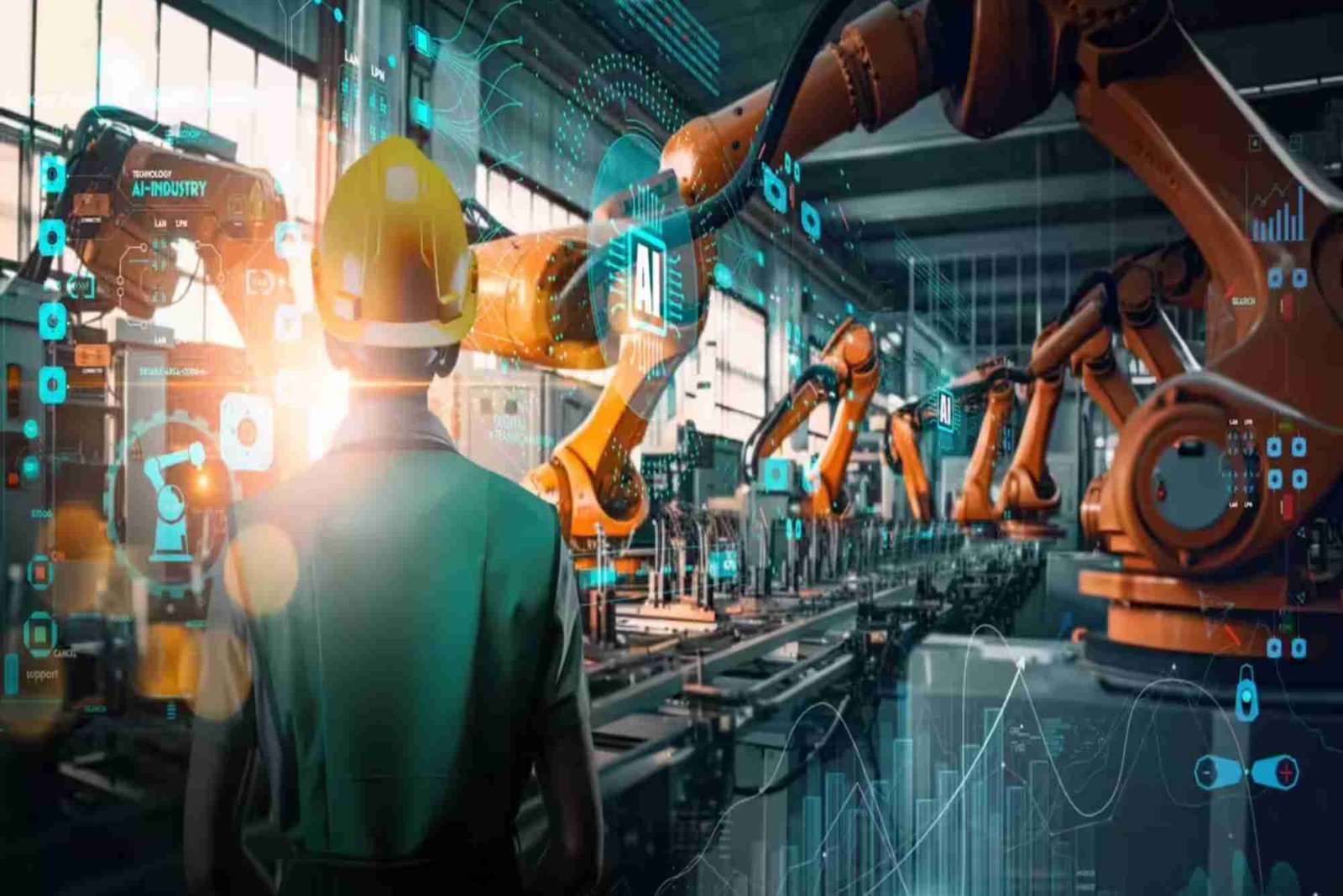
Smart manufacturing refers to the integration of advanced digital technologies into production systems. It connects machines, data, and human intelligence to create intelligent and automated factories.
In FMCG production, smart systems use real-time data to control operations. Sensors track performance, software analyzes trends, and machines adjust automatically. This creates a highly efficient and responsive production environment.
How Smart Manufacturing Impacts FMCG Production begins with this digital transformation. It replaces traditional manual processes with connected, data-driven systems that improve decision-making and reduce errors.

Automation and Efficiency in FMCG Production
One of the most significant effects of smart manufacturing is automation. FMCG production lines often run at high speed and large volume. Automation ensures consistency and reduces human intervention.
Machines equipped with smart sensors can detect faults instantly. They adjust speed, temperature, or packaging quality without delay. This reduces downtime and increases output.
How Smart Manufacturing Impacts FMCG Production is clearly visible in operational efficiency. Automated systems streamline repetitive tasks such as filling, labeling, and packaging. This allows human workers to focus on supervision and quality control.
As a result, production becomes faster, smoother, and more cost-effective. Companies can meet rising consumer demand without compromising quality.
Role of IoT in FMCG Smart Factories
The Internet of Things (IoT) plays a major role in smart manufacturing. IoT connects machines, devices, and systems across the factory floor.
In FMCG production, IoT sensors collect real-time data from equipment. This includes temperature, pressure, and machine performance. The data is sent to central systems for analysis.
How Smart Manufacturing Impacts FMCG Production becomes more powerful with IoT integration. It allows predictive monitoring, which reduces breakdowns and improves machine lifespan.
For example, if a machine shows signs of wear, the system alerts maintenance teams before failure occurs. This reduces unexpected production stoppages and saves costs.
Artificial Intelligence and Data-Driven Decisions
Artificial Intelligence (AI) is another key factor in modern manufacturing systems. AI processes large amounts of data and provides actionable insights.
In FMCG production, AI helps optimize supply chains, forecast demand, and improve product quality. It learns from past patterns and suggests improvements in real time.
How Smart Manufacturing Impacts FMCG Production through AI is evident in better decision-making. Managers can quickly adjust production schedules based on demand trends.
AI also helps detect defects in products using image recognition systems. This ensures consistent quality and reduces waste significantly.
Quality Control and Product Consistency
Quality is a top priority in FMCG industries. Consumers expect safe, reliable, and consistent products. Smart manufacturing ensures strict quality control at every stage.
Automated inspection systems detect defects that may go unnoticed by humans. Sensors monitor ingredients, mixing processes, and packaging accuracy.
How Smart Manufacturing Impacts FMCG Production is highly visible in quality assurance. Real-time monitoring ensures that every product meets industry standards.
This reduces recalls, improves brand reputation, and increases customer trust. Consistency becomes easier to maintain even at large production volumes.
Supply Chain Optimization in FMCG Industry
Supply chain management is a critical part of FMCG operations. Smart manufacturing improves supply chain visibility and coordination.
With real-time tracking systems, companies can monitor raw materials, production stages, and distribution channels. This reduces delays and improves planning accuracy.
How Smart Manufacturing Impacts FMCG Production is strongly linked to supply chain efficiency. Businesses can predict shortages and manage inventory more effectively.
This prevents overstocking and reduces storage costs. It also ensures timely delivery of products to retailers and consumers.
Energy Efficiency and Cost Reduction
Energy consumption is a major concern in FMCG manufacturing. Smart systems help reduce energy usage through optimized operations.
Machines operate only when needed and adjust power based on workload. Sensors identify energy waste and suggest improvements.
How Smart Manufacturing Impacts FMCG Production also includes significant cost savings. Reduced energy consumption lowers production expenses.
In addition, predictive maintenance reduces repair costs and extends equipment life. These savings improve overall profitability for manufacturers.
Workforce Transformation in FMCG Factories
Smart manufacturing does not eliminate human workers. Instead, it transforms their roles. Employees shift from manual labor to technical and analytical roles.
Workers now manage automated systems, analyze data, and maintain smart machines. This requires new skills and training programs.
How Smart Manufacturing Impacts FMCG Production includes workforce development. Companies invest in upskilling employees to adapt to new technologies.
This leads to a more skilled and efficient workforce that can handle advanced production systems.
Real-Time Monitoring and Control Systems
Real-time monitoring is one of the most powerful features of smart manufacturing. It allows continuous tracking of production processes.
Managers can access dashboards showing machine performance, output levels, and quality metrics. This enables quick decision-making.
How Smart Manufacturing Impacts FMCG Production is evident in better control systems. Issues are detected and resolved immediately.
This reduces downtime and ensures smooth production flow across all stages.
Sustainability and Environmental Impact
Sustainability is becoming a major focus in FMCG production. Smart manufacturing supports eco-friendly practices.
Efficient energy use, reduced waste, and optimized resource consumption help lower environmental impact. Smart systems also reduce material wastage during production.
How Smart Manufacturing Impacts FMCG Production contributes to greener manufacturing processes. Companies can track their carbon footprint and implement sustainable strategies.
This improves brand image and aligns with global environmental standards.
Digital Twins and Simulation Technology
Digital twin technology is an advanced innovation in smart manufacturing. It creates a virtual model of the production system.
Manufacturers use digital twins to simulate processes before actual implementation. This helps identify problems and improve efficiency.
How Smart Manufacturing Impacts FMCG Production becomes more advanced with simulation tools. Companies can test new production strategies without risk.
This reduces trial-and-error costs and improves production planning accuracy.
Challenges in Implementing Smart Manufacturing
Despite its benefits, smart manufacturing also comes with challenges. High initial investment is one of the biggest barriers.
FMCG companies need advanced infrastructure, software, and skilled professionals. Integration with existing systems can also be complex.
How Smart Manufacturing Impacts FMCG Production includes both opportunities and challenges. Cybersecurity is another concern due to increased connectivity.
However, long-term benefits often outweigh initial difficulties, making it a valuable investment.
Future of Smart Manufacturing in FMCG
The future of FMCG production is strongly linked to smart technologies. Automation, AI, and IoT will continue to evolve.
Factories will become more intelligent, self-regulating, and efficient. Decision-making will rely heavily on data analytics.
How Smart Manufacturing Impacts FMCG Production will grow even further with advancements in robotics and machine learning.
Companies that adopt these technologies early will lead the market and gain competitive advantages.
Smart manufacturing is revolutionizing the FMCG industry in powerful ways. It improves efficiency, enhances quality, and optimizes supply chains.
From automation to AI-driven decisions, every aspect of production is becoming more intelligent. How Smart Manufacturing Impacts FMCG Production is no longer just a concept but a real industrial transformation.
Businesses that embrace this change will achieve higher productivity and sustainability. They will also meet consumer demands more effectively in a competitive global market.
If you want to stay ahead in the FMCG industry, adopting smart manufacturing is essential. Start investing in digital transformation today and unlock the full potential of modern production systems.
FAQs
What is smart manufacturing in FMCG production?
Smart manufacturing in FMCG uses digital technologies like IoT, AI, and automation to improve production efficiency and quality.
How does smart manufacturing improve FMCG efficiency?
It automates processes, reduces downtime, and optimizes resource usage, leading to faster and more efficient production.
What technologies are used in smart FMCG manufacturing?
Key technologies include IoT sensors, artificial intelligence, robotics, data analytics, and digital twin systems.
Does smart manufacturing reduce production costs?
Yes, it reduces energy consumption, minimizes waste, and lowers maintenance costs through predictive systems.
What is the future of smart manufacturing in FMCG?
The future includes more automation, AI integration, and fully connected smart factories for higher efficiency and sustainability.
Related Reading: How to Start A Small FMCG Business
Related Reading: Top Emerging Markets for FMCG Products — full guide