

Introduction
Starting a small FMCG business is one of the most practical ways to enter the world of entrepreneurship. FMCG stands for Fast-Moving Consumer Goods, which include daily-use products like food items, beverages, toiletries, and household essentials. These products never go out of demand, making this industry highly stable and profitable for beginners.
If you are wondering how to start a small FMCG business, the good news is that you don’t need a massive investment or a large factory at the beginning. With proper planning, product selection, and a clear distribution strategy, even a small setup can grow into a strong brand over time.
In this guide, you will learn how to start a small FMCG business step by step, from idea selection to scaling your operations in a competitive market.
Understanding How to Start a Small FMCG Business
Before jumping into execution, it is important to understand what makes FMCG unique. When learning how to start a small FMCG business, you must recognize that this industry is driven by fast sales cycles, low profit margins per unit, and high volume turnover.
Unlike luxury products, FMCG items are purchased frequently. This means success depends more on distribution, availability, and brand trust than on high pricing. If your product is easy to access and consistent in quality, customers will return again and again.
Understanding this foundation is the first real step in how to start a small FMCG business successfully.

Market Research and Product Selection
One of the most important steps in how to start a small FMCG business is market research. Without understanding your market, even a good product can fail.
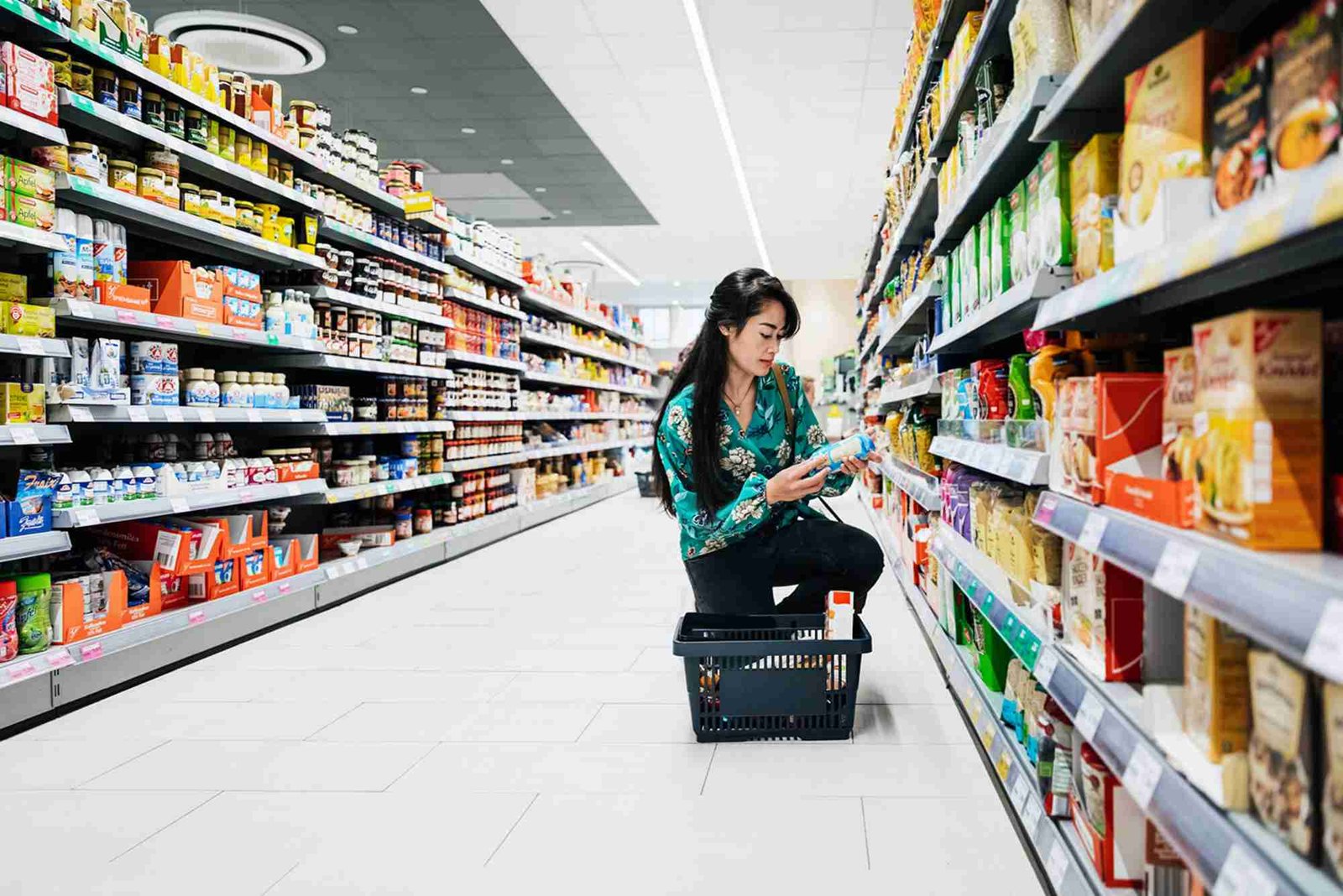
You need to identify what people in your area use daily. This may include edible oils, packaged snacks, cleaning products, personal care items, or beverages. Observing local shops, supermarkets, and consumer behavior helps you identify gaps in the market.
When selecting a product, choose something that has repeat demand. A strong FMCG product is something people buy regularly without much thought. This is a key principle in how to start a small FMCG business that lasts long term.
You should also analyze competitors. If a product category is already crowded, you must find a unique angle such as better packaging, lower price, or improved quality.
Planning Your FMCG Business Model
A clear business model is essential in how to start a small FMCG business. You need to decide how you will operate, whether as a manufacturer, distributor, or reseller.
Most beginners start as resellers or small distributors because it requires less capital. In this model, you source products from established manufacturers and supply them to retailers or local shops.
If you have more resources, you can consider private labeling. This means selling products under your own brand name while outsourcing production. This is a powerful step in how to start a small FMCG business because it builds long-term brand value.
Your business model should also include pricing strategy, profit margins, and distribution plans. Without this structure, growth becomes difficult.
Setting Up Your Supply Chain
A strong supply chain is the backbone of how to start a small FMCG business. You must ensure that products move smoothly from suppliers to customers without delays.
Start by finding reliable manufacturers or wholesalers. Quality consistency is critical in FMCG products because even small variations can affect customer trust.
Next, establish a storage system. Even a small warehouse or rented space can be enough at the beginning. Proper storage ensures that products remain fresh, organized, and ready for delivery.
Transportation is another important factor. You may need a small delivery vehicle or partnership with logistics services to maintain regular supply to retailers.
A well-organized supply chain is what keeps your FMCG business stable and scalable.
Branding and Packaging Strategy
Branding plays a major role in how to start a small FMCG business successfully. Customers often choose products based on appearance and trust, especially in competitive markets.
Your brand name should be simple, memorable, and relevant to your product category. Packaging should be attractive but also practical. It must protect the product while standing out on the shelf.
Good packaging communicates quality. Even if your product is similar to others, better presentation can increase sales significantly.
When building your FMCG brand, consistency is key. Every product, label, and design should reflect the same identity.
Legal Requirements and Registration
Understanding legal requirements is a necessary part of how to start a small FMCG business. You need to register your business according to local laws.
Depending on your location, you may need a business license, tax registration, and product approvals for certain categories like food or cosmetics.
Proper documentation builds trust with suppliers and retailers. It also protects your business from future legal issues.
Even if you are starting small, operating legally ensures long-term stability and growth.
Marketing Strategy for FMCG Business
Marketing is the engine that drives how to start a small FMCG business toward success. Without visibility, even the best product will struggle.
In FMCG, marketing is not only about advertising but also about placement. Your product must be easily available in local shops, supermarkets, and online platforms.
Building relationships with shopkeepers and distributors is essential. When retailers trust your product, they are more likely to recommend it to customers.
Digital marketing also plays an increasing role. Social media platforms can help you build awareness and connect directly with consumers.
A strong marketing strategy ensures your brand stays competitive in the long run.
Financial Planning and Budget Control
Financial management is a key factor in how to start a small FMCG business. You need to carefully plan your investment and expected returns.
Start with a realistic budget that includes product sourcing, packaging, transportation, storage, and marketing. Avoid overspending in the beginning.
Track every expense to understand your profit margins. FMCG businesses often work on low margins, so volume is important.
Proper financial control helps you survive early challenges and maintain steady growth.
Scaling Your FMCG Business
Once your business is stable, the next step in how to start a small FMCG business is scaling. Expansion can happen in multiple ways.
You can introduce new products, expand to new regions, or strengthen your distribution network. Each step should be backed by demand and performance data.
Scaling should be gradual. Rapid expansion without proper systems can lead to losses.
Strong systems and consistent quality will support long-term growth.
Challenges in FMCG Business
Like any industry, FMCG also has challenges. Competition is intense, and customer loyalty is difficult to maintain.
Supply chain disruptions, price fluctuations, and changing consumer preferences can affect your business.
However, understanding these challenges early in how to start a small FMCG business helps you prepare better strategies.
Consistency, adaptability, and strong relationships are the keys to overcoming these challenges.
Learning how to start a small FMCG business is not just about selling products. It is about understanding consumer behavior, building strong systems, and creating a brand that people trust.
With the right planning, even a small idea can grow into a successful FMCG brand. Focus on quality, distribution, and customer satisfaction, and growth will follow naturally.
If you are ready to take action, start with small steps today. Research your market, choose your product, and build your first distribution network. Every big brand once started small, and your journey can begin the same way.
Related Reading: How Smart Manufacturing Impacts FMCG Production — full guide
Related Reading: Top Emerging Markets for FMCG Products — full guide
Related Reading: How FMCG Brands Are Adapting to Consumer Demands — full guide