
Introduction
The global food industry is changing rapidly, and plant-based eating is leading this transformation. In 2026, consumers are more aware of health, sustainability, and ethical food choices than ever before. As a result, the demand for innovative plant-based options continues to grow across restaurants, supermarkets, and home kitchens.
The Top Plant-Based Food Trends in 2026 reflect this shift toward smarter nutrition, cleaner ingredients, and advanced food technology. From lab-enhanced proteins to hyper-local ingredients, the plant-based world is becoming more diverse and accessible.
In this article, we will explore the Top Plant-Based Food Trends in 2026, how they are shaping the food industry, and why they matter for your health and the planet.
Rise of Next-Generation Plant Proteins
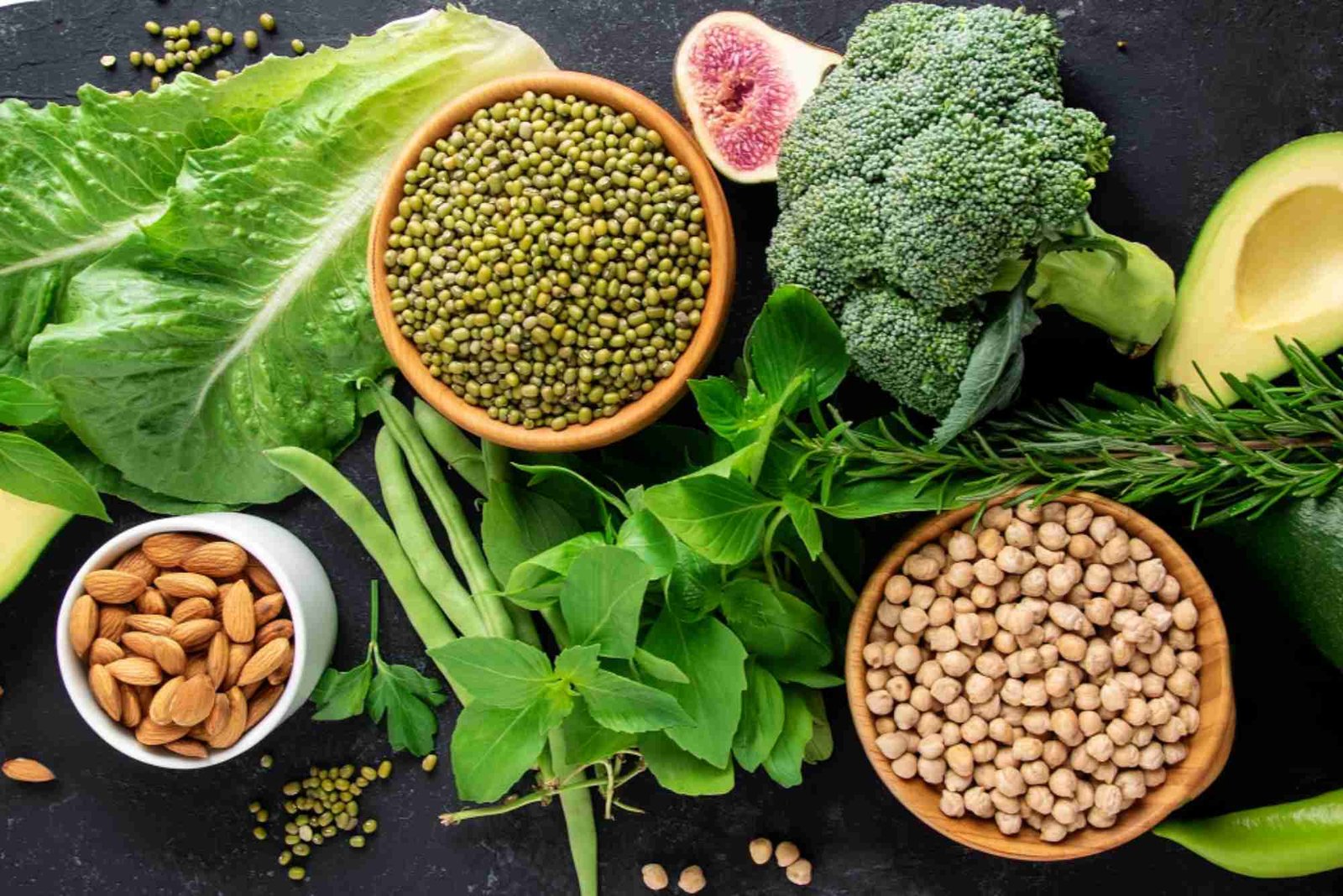
One of the strongest Top Plant-Based Food Trends in 2026 is the evolution of plant protein. Traditional sources like soy, lentils, and chickpeas are now joined by newer ingredients such as fava beans, duckweed, and mycoprotein.
These proteins are designed to match the taste and texture of animal meat more closely. Food companies are also using fermentation technology to enhance amino acid profiles and improve digestibility.
Consumers are no longer satisfied with simple veggie burgers. Instead, they want high-protein, realistic meat alternatives that fit into fitness-focused diets. This shift is driving major innovation in the plant-based sector.

AI-Driven Personalized Plant-Based Diets
Another important development in the Top Plant-Based Food Trends in 2026 is the use of artificial intelligence in nutrition planning. AI-powered apps now analyze health data, lifestyle habits, and genetic markers to create personalized plant-based meal plans.
These systems help users balance nutrients like protein, iron, and vitamin B12 more effectively. They also recommend plant-based foods based on energy needs and fitness goals.
As digital health tools become more advanced, personalized nutrition is becoming a standard part of plant-based eating rather than a luxury service.
Growth of Whole Food Plant-Based Movement
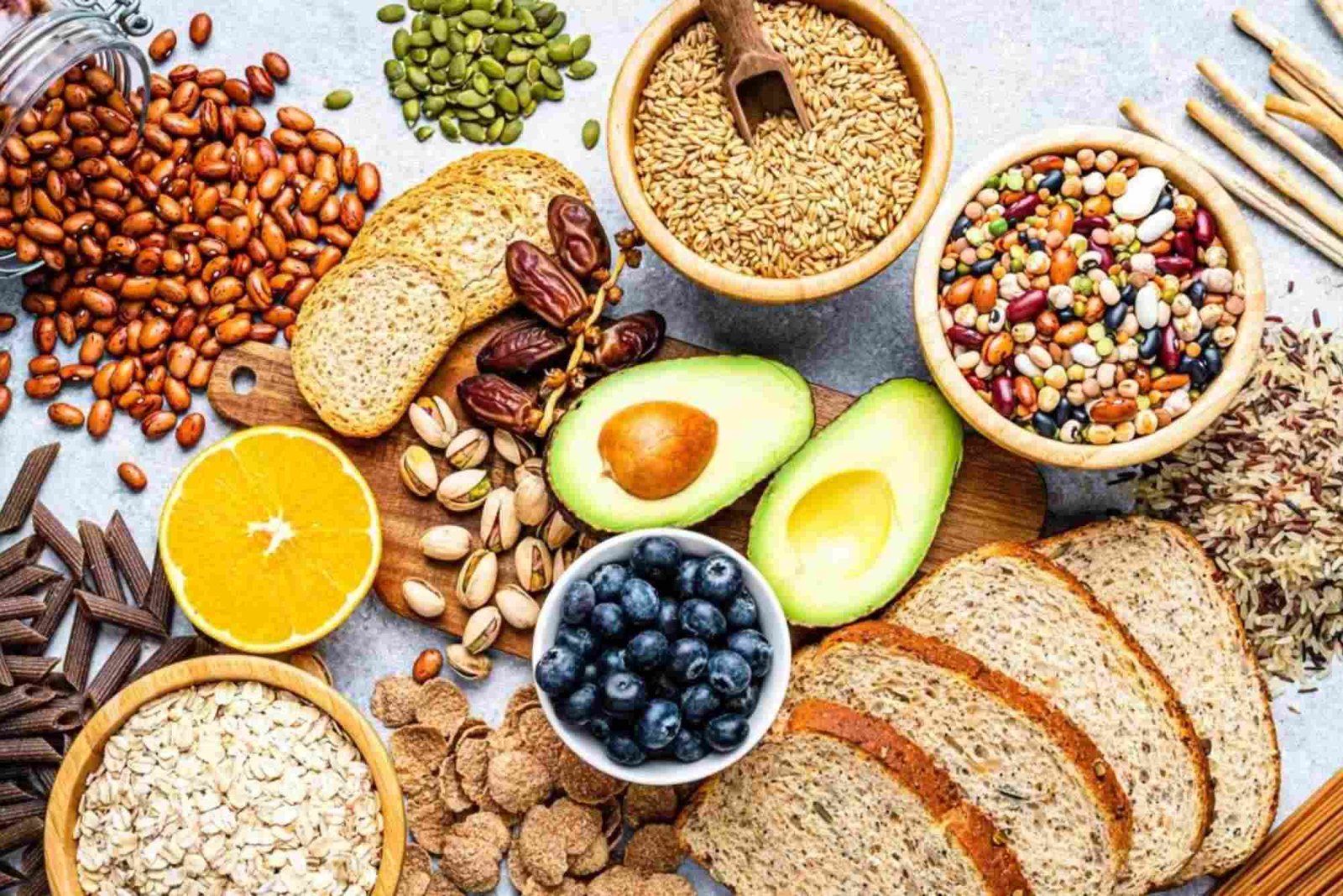
While processed alternatives are growing, there is also a strong return to whole foods. The Top Plant-Based Food Trends in 2026 show increasing demand for minimally processed ingredients.
Consumers are focusing on foods like quinoa, oats, brown rice, nuts, seeds, and seasonal vegetables. This movement emphasizes natural nutrition over heavily engineered substitutes.
People are becoming more conscious of ingredient labels. Short and simple ingredient lists are now seen as a sign of quality and trust. This trend supports better long-term health and encourages home cooking.
Expansion of Plant-Based Seafood Alternatives
Seafood alternatives are becoming a major highlight in the Top Plant-Based Food Trends in 2026. Companies are now creating plant-based tuna, salmon, shrimp, and crab using algae, legumes, and seaweed.
These products aim to solve environmental issues like overfishing and ocean pollution. At the same time, they offer similar taste and texture experiences.
Seafood lovers are increasingly open to these alternatives, especially in coastal regions where fish consumption is traditionally high. The technology behind plant-based seafood continues to improve rapidly.
Fermentation-Based Food Innovation
Fermentation is playing a powerful role in shaping the Top Plant-Based Food Trends in 2026. This ancient process is now being used in modern food science to create cheese, yogurt, and meat alternatives from plants.
Precision fermentation allows producers to replicate dairy proteins without using animals. This leads to more sustainable and ethical food production.
Fermented plant-based foods also support gut health. They contain beneficial probiotics that improve digestion and immunity, making them popular among health-conscious consumers.
Sustainable and Climate-Friendly Eating
Sustainability remains a core driver of the Top Plant-Based Food Trends in 2026. Climate change concerns are pushing consumers to choose foods with a lower environmental footprint.
Plant-based diets require less water, land, and energy compared to animal agriculture. As awareness grows, more people are shifting toward eco-friendly eating habits.
Brands are also focusing on carbon labeling. This helps consumers understand the environmental impact of their food choices and encourages responsible purchasing decisions.
Rise of Plant-Based Convenience Foods
Busy lifestyles are shaping another key part of the Top Plant-Based Food Trends in 2026. Ready-to-eat plant-based meals are becoming widely available in supermarkets and online stores.
Frozen plant-based meals, protein snacks, and instant vegan dishes are designed for convenience without sacrificing nutrition. This makes plant-based eating easier for working professionals and students.
Food companies are improving taste, texture, and shelf life to compete directly with traditional fast food. As a result, plant-based convenience food is becoming mainstream.
Innovative Plant-Based Dairy Alternatives
Dairy alternatives continue to evolve as part of the Top Plant-Based Food Trends in 2026. Almond, oat, and soy milk are now joined by potato milk, pea milk, and blended plant-based formulas.
Cheese and yogurt alternatives are also improving in flavor and texture. Many now melt, stretch, and ferment similarly to dairy products.
This innovation is especially important for lactose-intolerant individuals and those following vegan diets. It also supports ethical and environmental concerns related to dairy farming.
Global Flavor Fusion in Plant-Based Cuisine
Cultural diversity is influencing the Top Plant-Based Food Trends in 2026 in a big way. Chefs are combining global flavors to create exciting plant-based dishes.
Asian spices, Mediterranean herbs, and Latin American ingredients are being used in creative ways. This fusion approach makes plant-based meals more enjoyable and less repetitive.
Restaurants are focusing on bold flavors rather than simply replacing meat. This culinary creativity is helping plant-based food reach a wider audience.
Plant-Based Functional Foods for Health
Functional foods are another strong part of the Top Plant-Based Food Trends in 2026. These foods are designed not only to nourish but also to support specific health goals.
Examples include plant-based snacks with added probiotics, protein bars with adaptogens, and drinks enriched with vitamins and minerals.
Consumers are increasingly interested in food that supports immunity, brain function, and stress management. This is pushing innovation in functional plant-based products.
The Top Plant-Based Food Trends in 2026 clearly show that plant-based eating is no longer a niche lifestyle. It is becoming a global movement driven by health, technology, and sustainability.
From AI-powered diets to fermentation-based innovation, the future of food is smarter and more sustainable than ever before. These trends are reshaping how we think about nutrition and food production.
If you want to stay ahead in health and lifestyle choices, now is the perfect time to explore plant-based living. Start small, experiment with new foods, and embrace the future of eating.
Try adding one plant-based meal to your daily routine and experience the difference in your energy, health, and mindset.
FAQs
What are the Top Plant-Based Food Trends in 2026?
They include next-gen plant proteins, AI nutrition, fermentation foods, and sustainable eating practices focused on health and the environment.
Is plant-based food becoming more popular in 2026?
Yes, plant-based food is growing rapidly due to health awareness, climate concerns, and improved food technology.
Are plant-based diets healthy for everyone?
In most cases, yes. A well-balanced plant-based diet can provide essential nutrients when properly planned.
What is the biggest innovation in plant-based food in 2026?
Precision fermentation and AI-driven personalized nutrition are among the most significant innovations.
Can plant-based food replace meat completely?
Plant-based alternatives are improving, but many people still combine both. Full replacement depends on personal preference.
Related Reading: Top Sweet Treat Trends Everyone Is Trying