
How to Keep Your Car Safe in Rainy Season
Rainy season is a beautiful time, but it can be tough on your car. Water, mud, and slippery roads create conditions that may damage your vehicle. Knowing how to keep your car safe in rainy season is essential for every driver. Simple precautions can prevent accidents, costly repairs, and unnecessary stress. In this guide, we will explore practical steps to protect your car while enjoying safe driving.
Understanding the Risks Rain Poses to Your Car
Rain can affect cars in many ways. Water on roads reduces traction, increasing the chances of skidding. Continuous exposure to moisture may damage the car’s paint and metal parts, causing rust. Wet conditions also affect brakes, tires, and engine components. Knowing these risks allows car owners to take preventive measures.
Slippery Roads and Accidents
During heavy rain, roads become slippery due to water, oil, and debris. This increases stopping distance and reduces tire grip. Drivers often underestimate the danger, leading to accidents. Slowing down, maintaining distance, and ensuring proper tire tread depth are crucial for safety.
Water Damage to Car Components
Water can enter the engine, brakes, or electrical systems, leading to malfunction. Even small leaks can worsen over time, affecting the car’s performance. Checking seals, wipers, and underbody protection can reduce water damage.
Rust and Corrosion
Rainy season accelerates rust on cars, especially if dirt and mud remain on the body. Rust not only damages appearance but also weakens metal parts. Regular washing and proper protective coatings help prevent corrosion.
Essential Preparations Before the Rainy Season
Preparing your car before the rainy season is vital. These preventive measures save money and improve driving safety.

Tire Check and Maintenance
Tires are the most important factor for rainy season safety. Ensure your tires have enough tread depth. Worn-out tires reduce traction on wet surfaces. Check tire pressure regularly because over- or under-inflated tires may lead to skidding.
Brake Inspection
Brakes must be in top condition. Wet roads require responsive brakes. Have a professional inspect brake pads, discs, and fluid levels. Brake problems in the rain can be dangerous and expensive to fix.
Wiper and Light Functionality
Clear visibility is key during heavy rain. Replace old wiper blades to avoid streaks and smudges. Ensure headlights, brake lights, and indicators work properly. Clean and bright lights improve safety for both you and other drivers.
Engine and Electrical Check
Water affects electrical components, especially the battery and engine sensors. Inspect engine seals, battery terminals, and electrical connections. Applying anti-corrosion spray helps protect sensitive parts.
Car Body Protection
Apply wax or a protective coating to your car’s body. Wax creates a water-resistant layer that prevents rust. Clean your car thoroughly before the season to remove dirt that may trap moisture.
Smart Driving Habits in Rainy Weather
Driving carefully is crucial during rainfall. Adopting safe habits prevents accidents and protects your car.
Reduce Speed and Maintain Distance
Slowing down is the most effective way to prevent skidding. Wet roads increase braking distance, so maintain a safe gap from other vehicles. Avoid sudden acceleration or braking to keep control.
Avoid Puddles and Flooded Areas
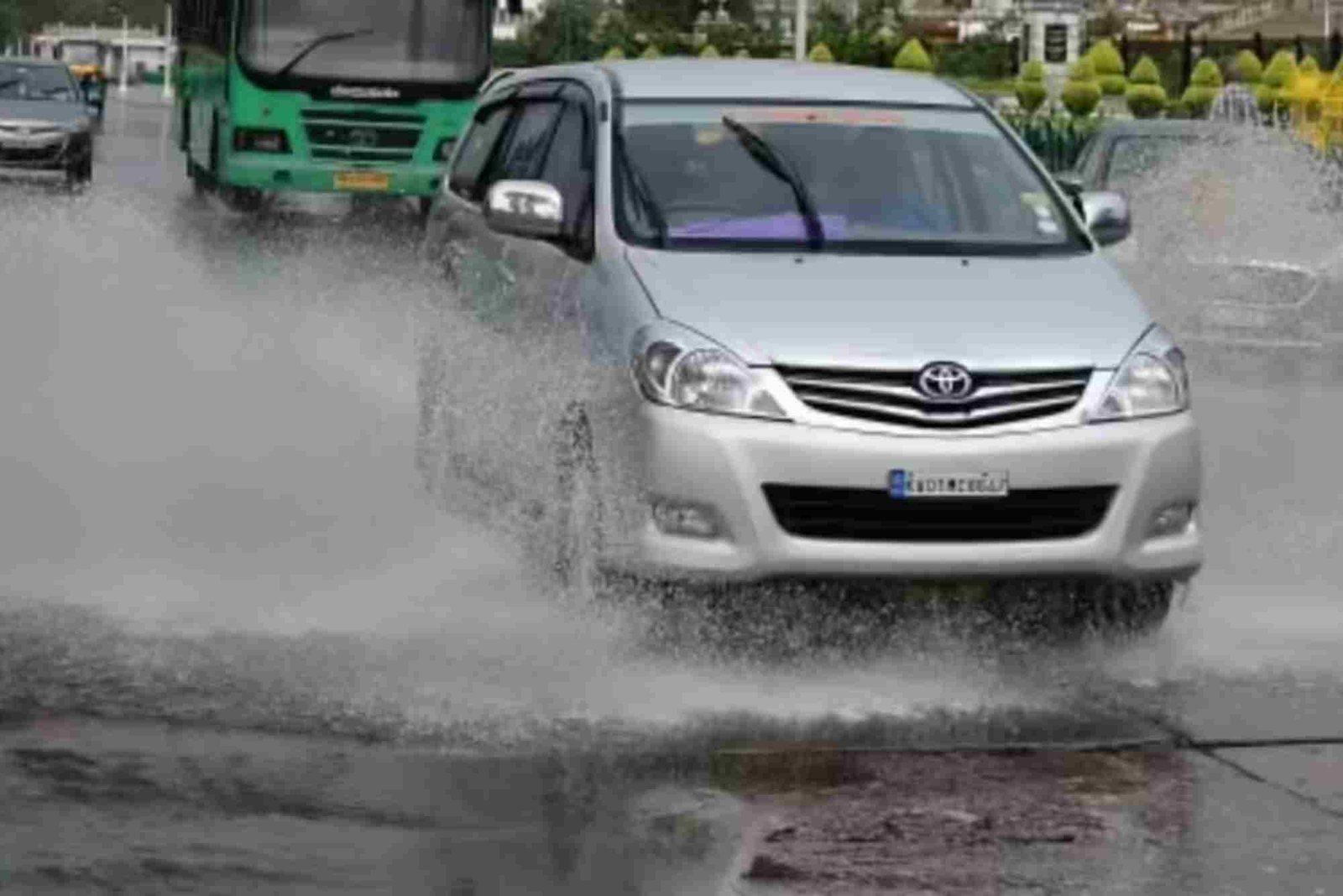
Water can hide potholes and debris. Driving through deep water risks engine damage and hydroplaning. Avoid flooded streets and stick to higher ground when possible.
Use Headlights Wisely
Low beam headlights improve visibility without blinding other drivers. Turn them on during rain, even in daylight, to stay visible. Avoid using high beams as they can reflect off rain and reduce visibility.
Gentle Steering and Braking
Make smooth turns and brake gently to prevent skidding. Sharp movements can cause loss of control on slippery roads. If your car has ABS, trust the system and avoid pumping brakes unnecessarily.
Proper Use of Air Conditioning
Air conditioning helps reduce fog inside the car. Turn on the AC or defogger to keep windows clear. Visibility is crucial in rainy conditions to avoid accidents.
Post-Rain Maintenance for Your Car
After driving in the rain, some maintenance steps help prolong your car’s life and prevent damage.
Dry and Clean Your Car
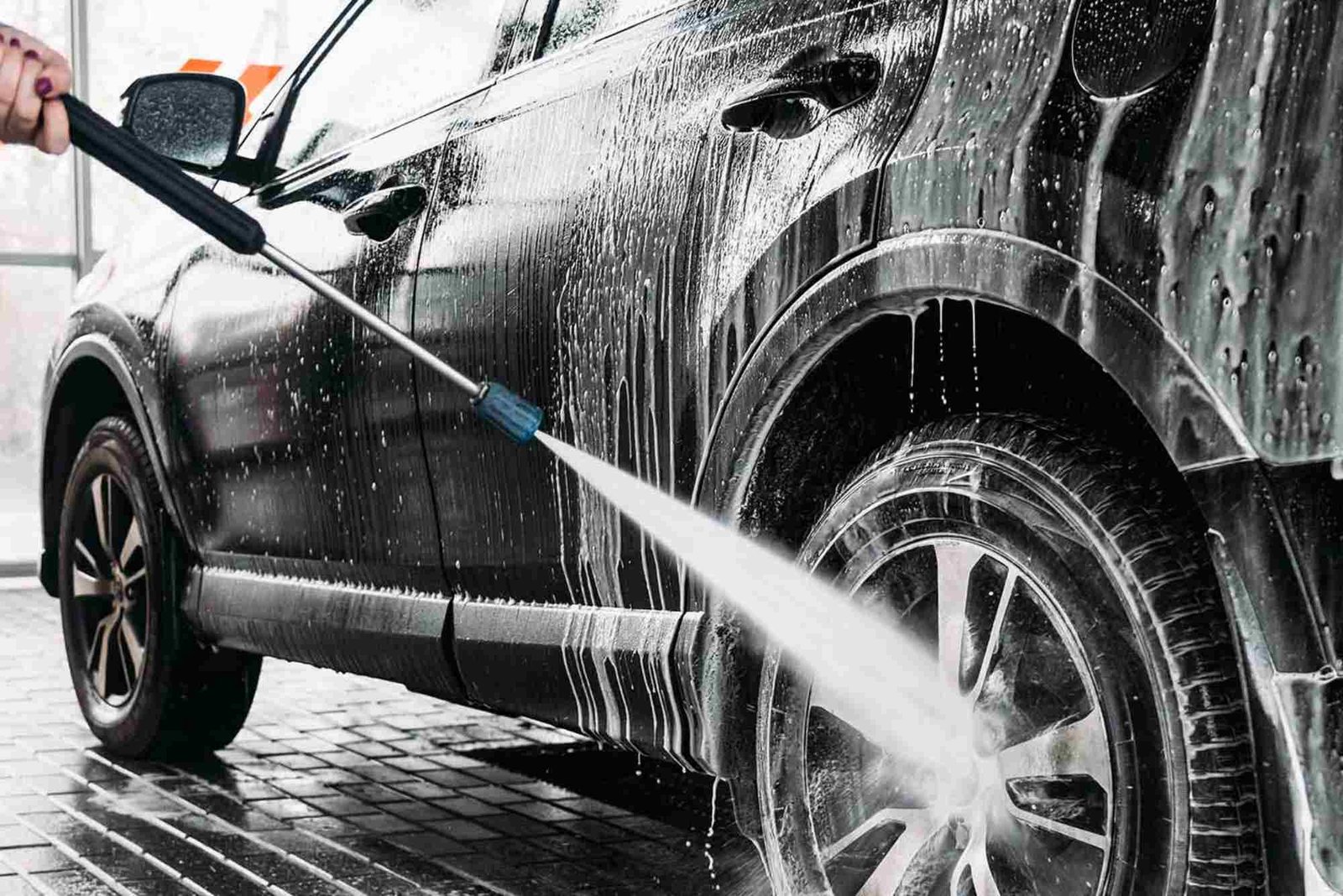
Wash off mud, dirt, and salt from roads. Dry the car to prevent water from settling in seams and causing rust. Cleaning also keeps paint shiny and protected.
Check Tires and Brakes
Inspect tires for embedded debris. Ensure brakes are functioning properly as wet driving can wear down pads faster. Routine checks prevent long-term damage.
Inspect Undercarriage
Rainwater may splash mud and debris under your car. Cleaning the undercarriage prevents corrosion and protects exhaust and suspension systems.
Lubricate Locks and Hinges
Moisture can cause locks and hinges to rust. Applying a light lubricant prevents sticking and ensures smooth operation of doors and trunk.
Battery and Engine Care
Ensure the battery terminals are dry and clean. Check fluid levels regularly. Rainwater can lead to short circuits if components are exposed.
Frequently Asked Questions (FAQs)
How can I prevent my car from rusting in the rainy season?
Regular washing, applying wax, and cleaning the undercarriage help prevent rust. Avoid letting water sit on the car for long periods.
What should I do if my car gets water in the engine?
Do not start the engine. Have it inspected by a professional mechanic. Attempting to drive can cause severe damage.
Are all tires safe for rainy conditions?
Not all tires handle water well. Tires with deep tread patterns provide better grip. Check for wet-weather or all-season tires for safety.
How often should I check my brakes in rainy weather?
Inspect brakes at least once before and during the rainy season. Wet conditions put extra stress on braking systems.
Is it safe to drive through flooded roads?
Avoid driving through flooded areas. Even shallow water can cause engine damage or hydroplaning. Choose alternate routes when possible.
Knowing how to keep your car safe in rainy season protects your investment and ensures your safety. Simple steps like maintaining tires, checking brakes, and driving carefully can prevent costly repairs and accidents. Don’t wait for heavy rain to start worrying. Prepare your car, adopt safe driving habits, and perform post-rain maintenance to keep it in top condition.
Take action today to safeguard your car this rainy season. Regular checks, preventive care, and cautious driving are the keys to avoiding problems and enjoying a safe ride. Protect your car, and it will serve you reliably in any weather.
Related Reading: How to Clean and Protect Car Upholstery — full guide
Related Reading: Top Car Interior Accessories You Must Have — full guide