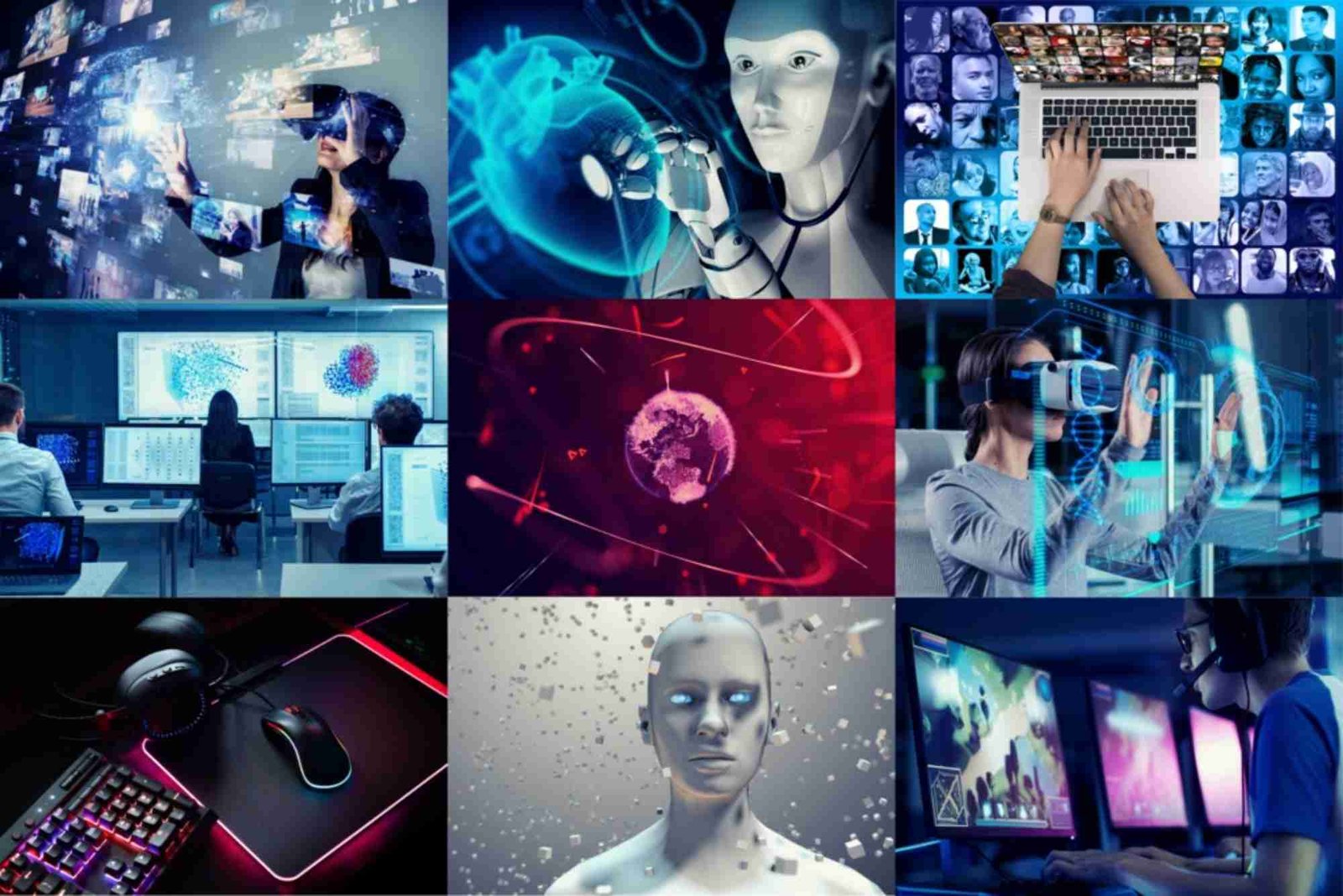

The Future of Virtual Reality in Daily Life
Virtual reality (VR) is no longer just a futuristic concept. Over the past decade, VR technology has advanced rapidly, moving from gaming and entertainment to practical applications in work, education, healthcare, and social interaction. Understanding the future of virtual reality in daily life is essential for anyone looking to embrace emerging technologies and prepare for a digitally immersive world.
How Virtual Reality is Shaping Daily Life
Enhanced Entertainment Experiences
Virtual reality has revolutionized the entertainment industry. Traditional gaming now merges with fully immersive experiences where players interact in 360-degree environments. Beyond gaming, VR is transforming movies, concerts, and theme parks. Users can explore virtual worlds, attend live performances, and experience adventures without leaving home.
Revolutionizing Education and Training
Education and professional training benefit greatly from VR technology. Students can explore historical sites, conduct scientific experiments, or study anatomy in 3D simulations. In professional fields like medicine, VR allows for surgical training in realistic environments. This hands-on learning method improves comprehension, retention, and safety.
Remote Work and Virtual Collaboration
With the rise of remote work, VR is changing how teams collaborate. Virtual offices provide immersive meeting spaces where employees interact as avatars. This technology encourages collaboration and creativity while reducing travel costs. In the future, virtual offices may become standard for global organizations.
Healthcare and Therapy Applications
VR is increasingly applied in healthcare for pain management, mental health treatment, and physical therapy. For example, patients with phobias or anxiety disorders can undergo exposure therapy in safe, controlled VR environments. Similarly, VR aids in rehabilitation by guiding patients through personalized exercises.
Social Interaction and Virtual Communities
Social VR platforms allow people to connect and interact in shared virtual spaces. Friends can meet virtually, attend events, or even shop together online. As VR technology becomes more accessible, virtual socialization could complement or even replace traditional forms of interaction.
Benefits of Integrating VR in Daily Life
Increased Accessibility
VR can make experiences accessible to everyone, regardless of location or mobility. For example, a person who cannot travel can explore global landmarks through VR. Students in remote areas gain access to interactive educational content.
Enhanced Engagement and Learning
VR encourages active participation and engagement. In educational settings, students retain more information when learning through VR simulations. In professional training, employees gain practical experience without real-world risks.
Personalized Experiences
Virtual reality enables customization to suit individual preferences. Users can design their environments, avatars, and even daily routines. This personalization enhances enjoyment and productivity in both personal and professional contexts.
Challenges Facing Virtual Reality Adoption
Cost and Accessibility
High-quality VR equipment remains expensive, limiting widespread adoption. Although prices are gradually decreasing, many households and small businesses still cannot afford advanced VR systems.
Technical Limitations
Current VR technology faces challenges like motion sickness, hardware bulkiness, and limited battery life. Developers are continually improving these aspects, but mass adoption depends on overcoming these limitations.
Privacy and Security Concerns
As VR collects personal data about movements, interactions, and preferences, privacy becomes a key concern. Users must trust VR platforms to safeguard sensitive information while avoiding potential misuse.
The Future of Virtual Reality in Daily Life: Trends to Watch
Integration with Artificial Intelligence
Artificial intelligence (AI) will enhance VR experiences by creating smarter, adaptive virtual environments. AI can adjust simulations in real time, provide personalized feedback, and improve interactivity.
Expansion of Mixed Reality
Mixed reality (MR) combines VR with augmented reality (AR), overlaying digital content in the real world. This technology allows for seamless integration of virtual and physical spaces, transforming industries like retail, construction, and entertainment.
Greater Accessibility and Affordability
Advances in hardware and software will make VR more affordable and lightweight. As prices drop, more individuals and organizations will adopt VR for education, work, and recreation.
Immersive Commerce and Shopping
Virtual reality is set to revolutionize online shopping. Customers can virtually try products, explore stores, and even interact with sales representatives. This immersive experience enhances convenience and boosts consumer confidence.
Smart Homes and Daily VR Integration
Future VR systems could integrate with smart homes, allowing users to control appliances, monitor security, and manage schedules through immersive interfaces. VR could become an essential tool for managing everyday life efficiently.
The Impact on Society
The adoption of VR in daily life will have profound social, economic, and cultural implications. It may redefine how we communicate, learn, and entertain ourselves. While challenges exist, the potential benefits make VR a transformative technology for the 21st century.
The future of virtual reality in daily life promises exciting opportunities across entertainment, education, work, healthcare, and social interaction. As technology becomes more affordable and accessible, VR will shift from novelty to necessity.
Stay informed about VR innovations, explore VR platforms, and consider integrating virtual reality into your daily routines to experience the future firsthand.
woodraze.com is a modern and creative website that offers useful information and engaging content for visitors. It is designed with a user-friendly layout, making it easy to explore different topics. The platform focuses on quality, clarity, and a smooth browsing experience for users looking for reliable online resources.
FAQ
What is the role of virtual reality in daily life?
Virtual reality enhances entertainment, education, healthcare, and social interaction, making daily experiences more immersive and interactive.
How will VR change education?
VR allows students to engage with 3D simulations, explore historical sites, and practice professional skills in realistic environments.
Is virtual reality safe for daily use?
VR is generally safe, but users should take breaks to avoid motion sickness and eye strain. Privacy and data security are also important considerations.
Can VR replace traditional workspaces?
While VR cannot fully replace physical offices, it offers immersive collaboration, reducing travel and increasing global team connectivity.
What are the challenges of adopting VR at home?
Cost, hardware limitations, and motion sickness remain challenges, but technological improvements are gradually addressing them.
How will VR impact social interactions?
VR allows people to socialize in virtual spaces, attend events, and form communities online, complementing traditional social interactions.
Where can I experience VR today?
VR can be experienced through gaming consoles, VR headsets, educational platforms, virtual tours, and some social media apps.
Will VR become affordable for everyone?
As technology advances and production costs decrease, VR is expected to become more accessible and affordable for homes, schools, and businesses.