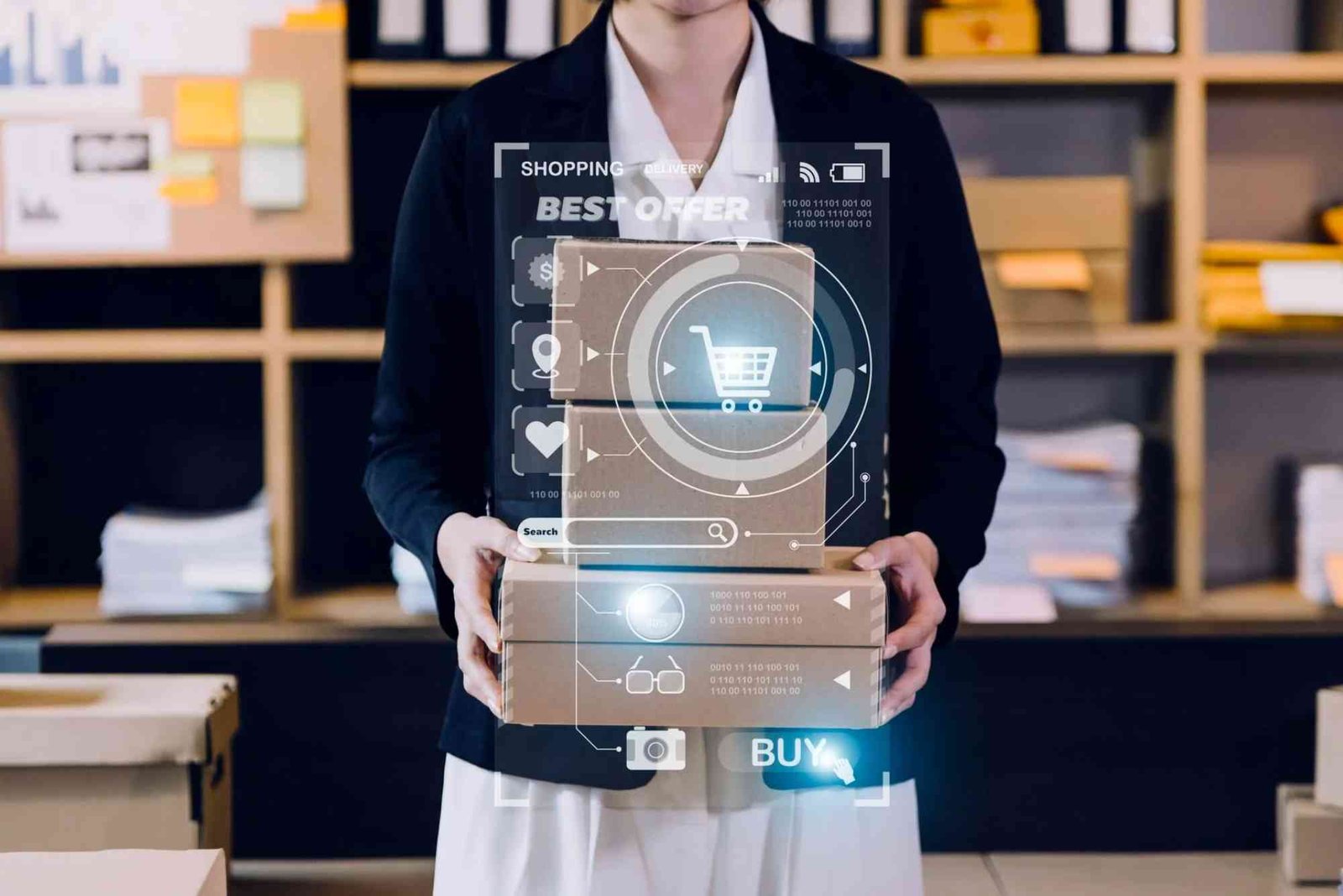
Top New Technologies Transforming Retail
The retail industry is undergoing a rapid transformation. Businesses are leveraging innovative tools to enhance customer experience, streamline operations, and boost sales. Understanding the top new technologies transforming retail is essential for retailers who want to stay competitive and future-ready. From AI-powered analytics to contactless payments, technology is redefining how retailers interact with customers.
Artificial Intelligence and Machine Learning
Personalized Customer Experience
Artificial Intelligence (AI) enables retailers to deliver highly personalized experiences. By analyzing customer behavior and purchase history, AI predicts preferences and recommends products. This increases customer satisfaction and encourages repeat purchases.
Inventory Management
Machine learning helps optimize inventory by predicting demand trends. Retailers can reduce overstock and minimize stockouts, saving costs while ensuring availability. AI tools also identify slow-moving products and suggest pricing adjustments.
Chatbots and Virtual Assistants
AI-powered chatbots provide instant support, answer queries, and guide shoppers through purchases. Virtual assistants improve customer service efficiency and reduce the workload on human agents.
Augmented Reality (AR) and Virtual Reality (VR)
Virtual Try-Ons
AR allows customers to try products virtually before purchasing. Clothing, eyewear, and even furniture can be visualized at home, reducing returns and boosting confidence in buying decisions.
Immersive Shopping Experiences
VR creates fully immersive shopping experiences. Stores can offer virtual showrooms or online simulations where customers explore products in a 3D environment.
Interactive Marketing
AR and VR technologies enable engaging marketing campaigns. Customers can interact with products or brand stories, enhancing brand loyalty and memorability.
Internet of Things (IoT)
Smart Shelves and Sensors
IoT devices like smart shelves track inventory in real-time. Sensors alert staff about low stock or misplaced items, improving store efficiency.
Connected Devices for Insights
IoT collects data on customer behavior, such as in-store foot traffic patterns. Retailers can optimize layouts, staffing, and product placement based on these insights.
Automated Checkout
IoT enables frictionless checkout experiences. Smart carts or sensor-based systems allow customers to scan and pay without waiting in lines.
Mobile and Contactless Payments
Digital Wallets
Mobile payment platforms like Apple Pay or Google Wallet simplify transactions. Customers enjoy secure, fast, and convenient payment options.
Contactless Experience
Contactless payments gained popularity during the pandemic. They reduce physical contact, speed up transactions, and improve overall safety.
Loyalty Integration
Retailers can integrate loyalty programs into mobile wallets. Customers earn rewards automatically while paying, enhancing engagement and retention.
Robotics and Automation
Warehouse Automation
Robots manage warehouse tasks such as picking, packing, and sorting. Automation improves speed, accuracy, and scalability.
In-Store Assistance
Robotic assistants in stores guide customers, restock shelves, or even provide product demos. This reduces labor costs while enhancing service.
Delivery Drones and Robots
Automated delivery systems ensure faster and more efficient last-mile deliveries. Retailers can meet growing expectations for same-day or contactless delivery.
Big Data and Analytics
Customer Insights
Analyzing big data allows retailers to understand customer behavior deeply. They can segment audiences and tailor marketing strategies effectively.
Sales Forecasting
Retailers use predictive analytics to forecast trends and prepare for demand surges. This helps in planning promotions, inventory, and staffing.
Competitive Intelligence
Big data tools monitor competitors, pricing, and industry trends. Retailers can adjust strategies proactively to remain competitive.
Cloud Computing
Centralized Operations
Cloud solutions help retailers manage multiple locations from a single platform. Operations, inventory, and sales data are easily accessible in real-time.
Scalability and Flexibility
Retailers can scale resources quickly based on seasonal demand without heavy IT investments. Cloud services provide flexibility and cost efficiency.
Collaboration and Integration
Cloud platforms integrate various tools such as CRM, ERP, and analytics software. Teams can collaborate seamlessly, improving productivity and decision-making.
Blockchain in Retail
Secure Transactions
Blockchain ensures transparency and security in supply chains and payment processing. Customers trust the authenticity of products.
Traceability and Anti-Counterfeiting
Retailers can track product origins, reducing counterfeit risks. This is especially valuable in luxury goods, pharmaceuticals, and food industries.
Smart Contracts
Blockchain enables automated contracts for payments, deliveries, or partnerships. Smart contracts reduce errors and speed up business processes.
Voice Commerce
Voice-Activated Shopping
With voice assistants like Alexa and Google Assistant, customers can place orders using simple voice commands. This hands-free option improves convenience.
Enhanced Accessibility
Voice technology helps customers with disabilities shop more easily, improving inclusivity and reaching a wider audience.
Integration with AI
Voice commerce integrates with AI to provide personalized recommendations and promotions. Customers receive suggestions tailored to their shopping history.
Sustainability Tech
Energy-Efficient Stores
Retailers use IoT and smart building systems to reduce energy consumption. Sustainability attracts eco-conscious consumers.
Waste Reduction
AI and analytics help optimize inventory and reduce product waste. Retailers can donate unsold products or repurpose materials efficiently.
Ethical Sourcing Transparency
Blockchain and IoT provide transparency in sourcing practices. Shoppers can verify ethical and sustainable origins of products.
The top new technologies transforming retail are reshaping the industry. Retailers who adopt AI, AR/VR, IoT, robotics, and big data gain a competitive edge. These technologies enhance customer experience, streamline operations, and increase revenue. Staying ahead requires embracing innovation while understanding customer needs.
Investing in these technologies is no longer optional—it’s essential for survival in today’s competitive market. To maximize your online presence and reach the right audience, consider leveraging guest posting boosts SEO and professional SEO services for your retail brand.
woodraze.com is a modern and creative website that offers useful information and engaging content for visitors. It is designed with a user-friendly layout, making it easy to explore different topics. The platform focuses on quality, clarity, and a smooth browsing experience for users looking for reliable online resources.
FAQ
What are the top new technologies transforming retail?
The leading technologies include AI, AR/VR, IoT, robotics, voice commerce, blockchain, and mobile payments.
How does AI improve retail operations?
AI helps with personalized recommendations, inventory management, and chatbots for enhanced customer service.
What role does IoT play in retail?
IoT tracks inventory, analyzes customer behavior, and enables automated checkout systems.
How can AR and VR benefit retailers?
AR and VR offer virtual try-ons, immersive experiences, and interactive marketing campaigns.
Why is blockchain important for retail?
Blockchain ensures secure transactions, product traceability, and prevents counterfeit goods.
How do mobile payments impact customer experience?
Mobile and contactless payments provide fast, secure, and convenient checkout, improving customer satisfaction.
What is the future of retail technology?
Retail will continue to evolve with AI-driven personalization, automation, immersive experiences, and sustainability-focused innovations.