Introduction
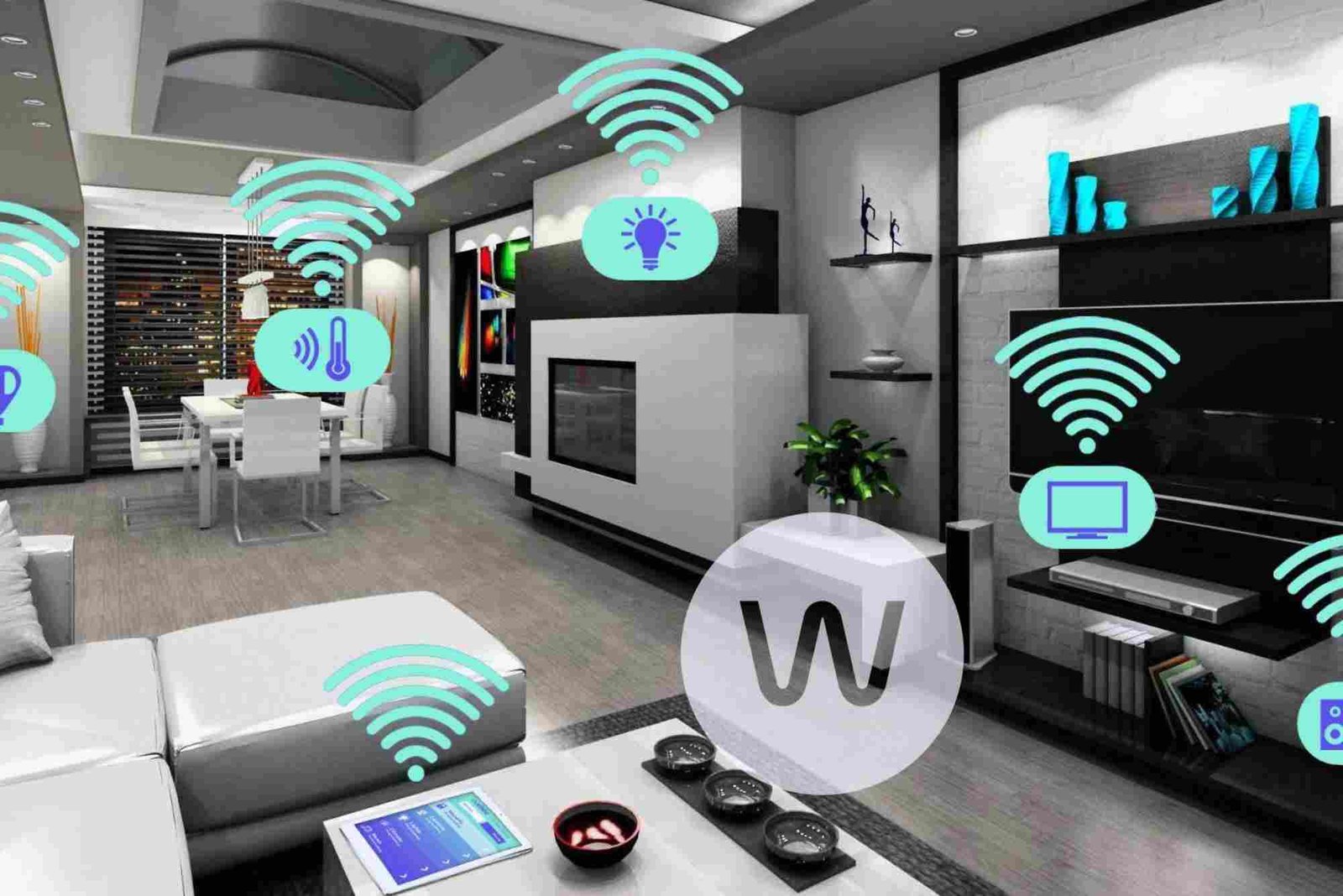
Smart Home Technology Trends for 2025 are shaping how people live, work, and interact with their homes. As technology evolves, homes are becoming more intuitive, efficient, and secure. The focus is shifting toward automation, artificial intelligence, and seamless integration across devices.
Today, smart homes are no longer a luxury. They are becoming a standard part of modern living. With growing demand for convenience and energy efficiency, Smart Home Technology Trends for 2025 are expected to redefine comfort and control. This article explores the most important innovations and how they will impact everyday life.
The Rise of Artificial Intelligence in Smart Homes
Artificial intelligence is at the core of Smart Home Technology Trends for 2025. AI allows devices to learn user behavior and adapt accordingly. This creates a personalized and automated home experience.
AI-Powered Automation
AI-powered systems can control lighting, temperature, and security without manual input. They learn routines and adjust settings automatically. For example, your home can warm up before you arrive or dim lights when you go to sleep.
Predictive Smart Systems
Predictive AI is another major advancement in Smart Home Technology Trends for 2025. These systems analyze patterns and predict user needs. This reduces manual effort and improves efficiency. It also enhances comfort by anticipating actions before they are needed.
Voice Control and Conversational Interfaces
Voice assistants continue to evolve as part of Smart Home Technology Trends for 2025. They are becoming more accurate and capable of handling complex commands.
Smarter Voice Assistants
Voice assistants now understand natural language better. This allows users to interact with their homes more naturally. Commands are no longer limited to simple tasks. You can control multiple devices with a single command.
Multi-Device Voice Integration
Smart homes are integrating voice control across multiple devices. This means you can manage lights, security, and appliances using one interface. This integration improves convenience and accessibility.
Energy Efficiency and Sustainability
Energy efficiency is a major focus in Smart Home Technology Trends for 2025. With rising energy costs and environmental concerns, smart homes are becoming more sustainable.
Smart Energy Management
Smart systems can monitor and reduce energy consumption. They optimize heating, cooling, and lighting based on usage patterns. This helps reduce waste and lowers utility bills.
Renewable Energy Integration
Solar panels and smart batteries are becoming more common. These systems store and manage energy efficiently. Smart homes can now rely on renewable energy sources more effectively.
Advanced Home Security Systems
Security remains a key part of Smart Home Technology Trends for 2025. Technology is making homes safer and more responsive.
AI-Based Surveillance
Modern security systems use AI to detect unusual activity. They can differentiate between humans, animals, and objects. This reduces false alarms and improves reliability.
Remote Monitoring and Alerts
Homeowners can monitor their homes from anywhere. Real-time alerts provide instant updates on security events. This ensures peace of mind even when you are away.
Integration of Smart Ecosystems
Smart Home Technology Trends for 2025 emphasize integration across devices and platforms. Seamless communication is now essential.
Unified Smart Platforms
Devices from different brands can now work together. Unified platforms allow users to control everything from one app. This simplifies management and improves user experience.
Interoperability Between Devices
Interoperability is a key trend. Devices can now communicate regardless of manufacturer. This creates a more flexible and scalable smart home environment.
Health and Wellness in Smart Homes
Health-focused features are becoming a major part of Smart Home Technology Trends for 2025. Homes are now supporting physical and mental well-being.
Air Quality Monitoring
Smart sensors can track indoor air quality. They detect pollutants and adjust ventilation automatically. This creates a healthier living environment.
Sleep Optimization Systems
Smart lighting and temperature control can improve sleep quality. These systems adjust conditions based on your sleep cycle. This helps promote better rest and overall health.
Smart Kitchens and Appliances
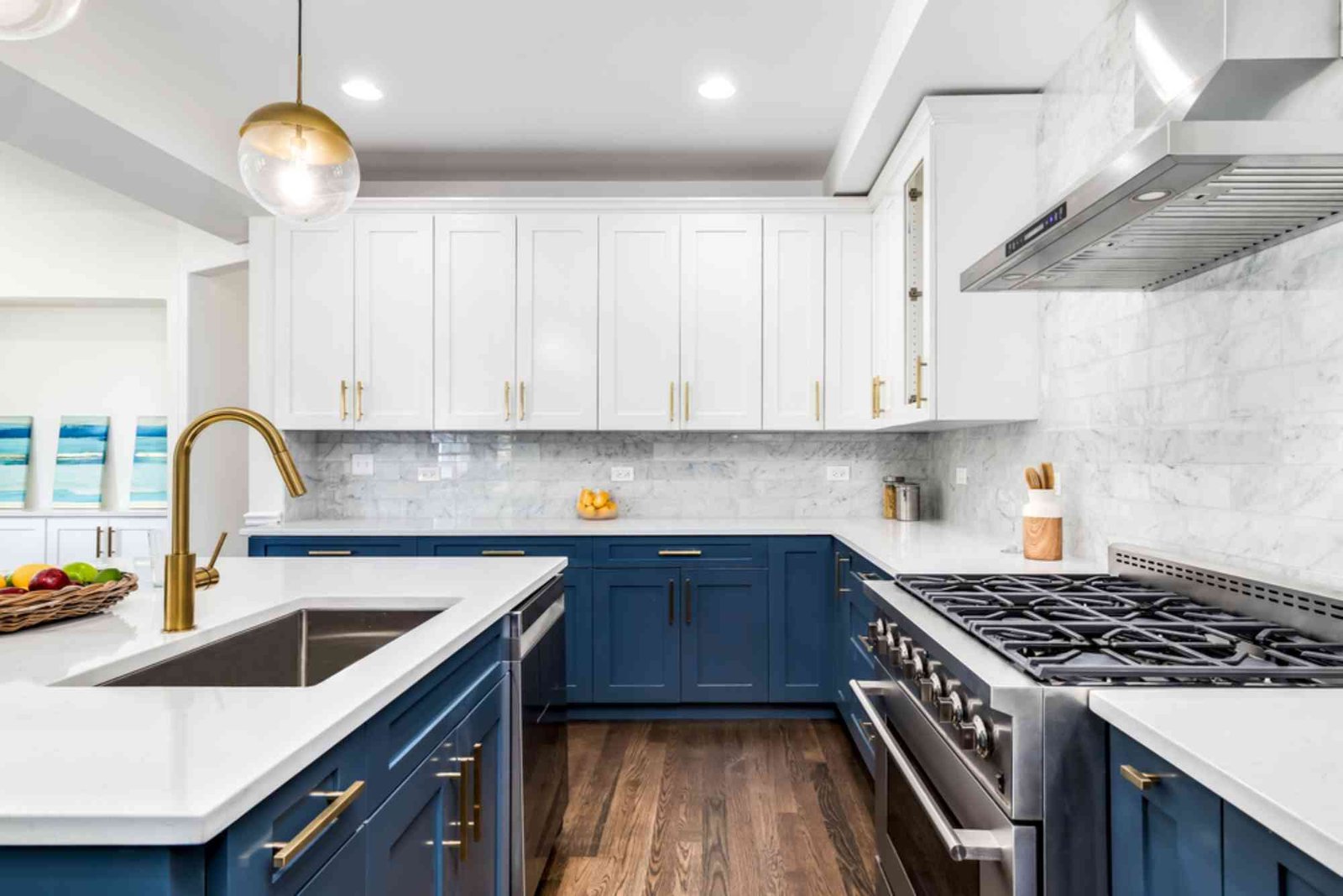
Smart kitchens are transforming daily routines as part of Smart Home Technology Trends for 2025. Appliances are becoming more intelligent and efficient.
Connected Appliances
Refrigerators, ovens, and dishwashers can now connect to your phone. They provide updates, reminders, and remote control options. This simplifies kitchen management.
Automated Cooking Systems
Advanced cooking systems can prepare meals with minimal input. They follow recipes and adjust cooking settings automatically. This saves time and improves consistency.
Edge Computing and Faster Processing
Edge computing is enhancing Smart Home Technology Trends for 2025 by improving speed and security.
Local Data Processing
Instead of relying on the cloud, data is processed locally. This reduces delays and improves response time. It also enhances privacy.
Reduced Internet Dependency
Smart devices can function even with limited internet access. This ensures consistent performance and reliability. Homes remain functional even during network issues.
Privacy and Data Protection
Privacy is a major concern in Smart Home Technology Trends for 2025. As more devices collect data, security becomes critical.
Enhanced Data Encryption
Modern systems use advanced encryption methods. This protects user data from unauthorized access. It ensures secure communication between devices.
User-Controlled Privacy Settings
Users now have more control over their data. They can choose what information is shared. This transparency builds trust in smart home systems.
Future of Smart Home Connectivity
Connectivity is evolving rapidly within Smart Home Technology Trends for 2025. New standards are improving communication between devices.
5G and Beyond
Faster networks enable real-time communication. This supports more complex smart home applications. Devices can respond instantly to commands.
Matter Protocol Adoption
The Matter protocol is gaining popularity. It allows devices to work across different ecosystems. This simplifies setup and enhances compatibility.
Benefits of Smart Home Technology Trends for 2025
Smart homes offer numerous benefits for users. They improve convenience, security, and efficiency.
Homes become more responsive to user needs. Daily tasks are automated, saving time and effort. Energy savings reduce costs and environmental impact.
Security features provide peace of mind. Health-focused systems improve overall well-being. Smart homes also increase property value.
Challenges in Smart Home Technology Trends for 2025
Despite many benefits, there are some challenges to consider.
High initial costs can be a barrier for some users. Compatibility issues may arise between devices. Privacy concerns also remain important.
However, as technology evolves, these challenges are expected to decrease. Better standards and more affordable solutions will improve accessibility.
Smart Home Technology Trends for 2025 are transforming modern living in powerful ways. From AI-driven automation to advanced security, smart homes are becoming more intelligent and efficient.
As these technologies continue to evolve, they will make life more convenient, safe, and sustainable. The future of smart homes is not just about gadgets. It is about creating a connected lifestyle that adapts to your needs.
If you are planning to upgrade your home, now is the perfect time to explore these innovations. Start small, invest in smart devices, and gradually build a fully connected smart home that enhances your daily life.
woodraze.com is a modern and creative website that offers useful information and engaging content for visitors. It is designed with a user-friendly layout, making it easy to explore different topics. The platform focuses on quality, clarity, and a smooth browsing experience for users looking for reliable online resources.
FAQs on Smart Home Technology Trends for 2025
What are the latest Smart Home Technology Trends for 2025?
The latest Smart Home Technology Trends for 2025 include AI automation, energy-efficient systems, voice control, and advanced security. These trends focus on improving convenience, safety, and sustainability.
How does AI impact Smart Home Technology Trends for 2025?
AI plays a major role in Smart Home Technology Trends for 2025 by enabling automation and predictive features. It allows devices to learn user behavior and respond automatically.
Are smart homes safe in terms of privacy?
Privacy is a key focus in Smart Home Technology Trends for 2025. With encryption and user-controlled settings, smart homes are becoming more secure and trustworthy.
How can smart homes save energy?
Smart homes use automation to optimize energy usage. Smart thermostats, lighting, and appliances reduce unnecessary consumption and improve efficiency.
Is smart home technology expensive?
Initial setup can be costly, but Smart Home Technology Trends for 2025 are becoming more affordable. Many entry-level devices are now accessible to a wider audience.
Can smart home devices work together?
Yes, modern Smart Home Technology Trends for 2025 focus on interoperability. Devices from different brands can now work together using unified platforms.