How to Know When Your Brakes Need Replacement
Your vehicle’s braking system is critical for safety. Recognizing the signs that indicate it’s time to replace your brakes can prevent accidents, costly repairs, and unexpected breakdowns. In this guide, we’ll cover how to know when your brakes need replacement, including symptoms, maintenance tips, and expert advice.
Understanding Your Braking System
Before identifying replacement signs, it’s important to understand your brakes. Modern vehicles typically use disc brakes on the front wheels and drum brakes on the rear, though some vehicles use discs on all wheels. Brakes consist of several components:
Brake Pads
Brake pads press against the brake rotors to slow your vehicle. They wear down over time and need replacement when thin.
Brake Rotors
Rotors are the metal discs that the brake pads press against. Warped or worn rotors reduce braking efficiency.
Brake Fluid
Brake fluid transfers force from the pedal to the brake system. Low or contaminated fluid can affect braking performance.
Knowing these components helps you identify early signs of wear and tear.
Common Signs Your Brakes Need Replacement
Many drivers overlook brake problems until they become serious. Here are the most noticeable signs:
Squeaking or Squealing Noises
A high-pitched noise when braking often indicates worn brake pads. Many pads have wear indicators that create this sound as a warning.
Grinding Sounds
Grinding signals that brake pads are completely worn, causing metal-to-metal contact. This requires immediate attention.
Vibrations While Braking
If the steering wheel or brake pedal vibrates, rotors may be warped. Warped rotors reduce braking efficiency and can be dangerous.
Longer Stopping Distances
If your car takes longer to stop, it may indicate worn pads, fluid issues, or other brake system problems.
Pulling to One Side
When braking, if your car drifts to one side, it may indicate uneven pad wear, caliper issues, or brake fluid problems.
Warning Lights
Modern vehicles have a brake warning light on the dashboard. Do not ignore it, as it may signal low fluid or worn components.
Factors That Affect Brake Lifespan
Brake wear depends on driving habits, vehicle type, and environmental conditions.
Driving Style
Aggressive driving and frequent hard braking reduce pad lifespan.
Vehicle Load
Heavy vehicles or frequent towing put extra stress on brakes.
Road Conditions
City driving with stop-and-go traffic wears brakes faster than highway driving.
Brake Material
Ceramic pads last longer than organic pads but may cost more.
Understanding these factors helps you anticipate when replacement is needed.
How to Inspect Your Brakes at Home
Regular inspection prevents serious issues and saves money.
Visual Pad Inspection
Remove the wheel and check pad thickness. Pads less than 3mm are due for replacement.
Rotor Condition Check
Look for grooves, cracks, or rust on rotors. Minor surface rust is normal, but deep grooves indicate replacement.
Fluid Check
Check the brake fluid reservoir. Low or dark fluid may indicate leaks or contamination.
Listen and Feel
Pay attention to unusual noises, pedal feel, or vibration while braking.
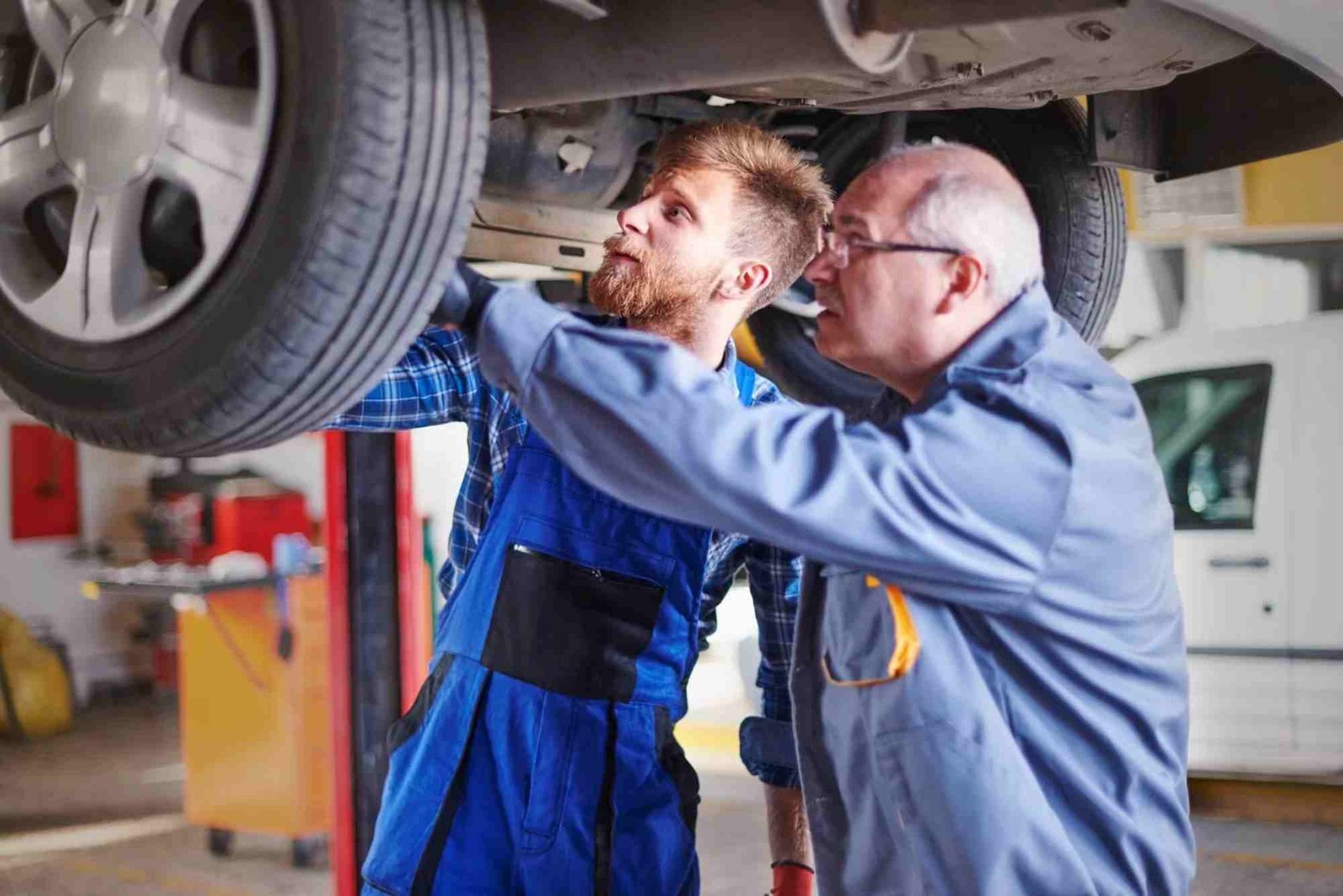
When to Visit a Professional Mechanic
Some brake issues require professional attention:
Persistent Noise
If squealing or grinding persists after inspection, a certified mechanic can diagnose the problem.
Brake Pedal Issues
Soft or spongy brakes may indicate air in the lines or fluid problems.
Safety Concerns
Any sudden changes in braking performance require immediate professional inspection.
Regular maintenance by a qualified technician prolongs brake life and ensures safety.
Preventive Brake Maintenance Tips
Proper care keeps brakes in good condition longer:
Replace Pads on Schedule
Follow the manufacturer’s recommendations for brake pad replacement.
Keep Rotors Smooth
Have rotors resurfaced or replaced if warped.
Regular Fluid Changes
Change brake fluid every 2-3 years to maintain hydraulic efficiency.
Avoid Riding Brakes
Do not rest your foot on the pedal while driving; it accelerates wear.
Inspect After Long Trips
Check brakes after long or hilly drives, as heat can affect components.
Knowing how to know when your brakes need replacement is essential for safe driving. Recognizing warning signs early, performing regular inspections, and scheduling timely maintenance can save money and prevent accidents. Don’t ignore unusual noises, vibrations, or warning lights—address brake issues promptly.
Schedule a professional brake inspection today to ensure your vehicle remains safe on the road. Regular maintenance can prevent emergencies and keep your brakes performing at their best.
woodraze.com is a modern and creative website that offers useful information and engaging content for visitors. It is designed with a user-friendly layout, making it easy to explore different topics. The platform focuses on quality, clarity, and a smooth browsing experience for users looking for reliable online resources.
FAQ
How long do brake pads last?
Brake pads typically last 30,000–70,000 miles, depending on driving habits and pad material.
What does it mean if my brakes squeal?
Squealing usually signals worn pads. It can also occur when brakes are dusty or after rain.
Can I drive with worn brake pads?
It is unsafe. Worn pads reduce braking efficiency and can damage rotors.
How often should I check my brakes?
Inspect brakes at least every 10,000 miles or during regular service intervals.
Why does my car pull to one side when braking?
Uneven pad wear, caliper issues, or brake fluid problems often cause pulling.
Are brake fluid changes necessary?
Yes, contaminated or old fluid can reduce braking performance and damage components.
Can warped rotors be fixed?
Minor warping can sometimes be resurfaced. Severe damage requires replacement.
How do I know if my brake rotors need replacement?
Deep grooves, cracks, or persistent vibration during braking indicate replacement.
What is the difference between disc and drum brakes?
Disc brakes use pads and rotors for quick stopping, while drum brakes use shoes pressing against a drum. Disc brakes generally perform better under heavy use.
Can driving habits extend brake life?
Yes, smooth driving and avoiding sudden stops reduce brake wear.