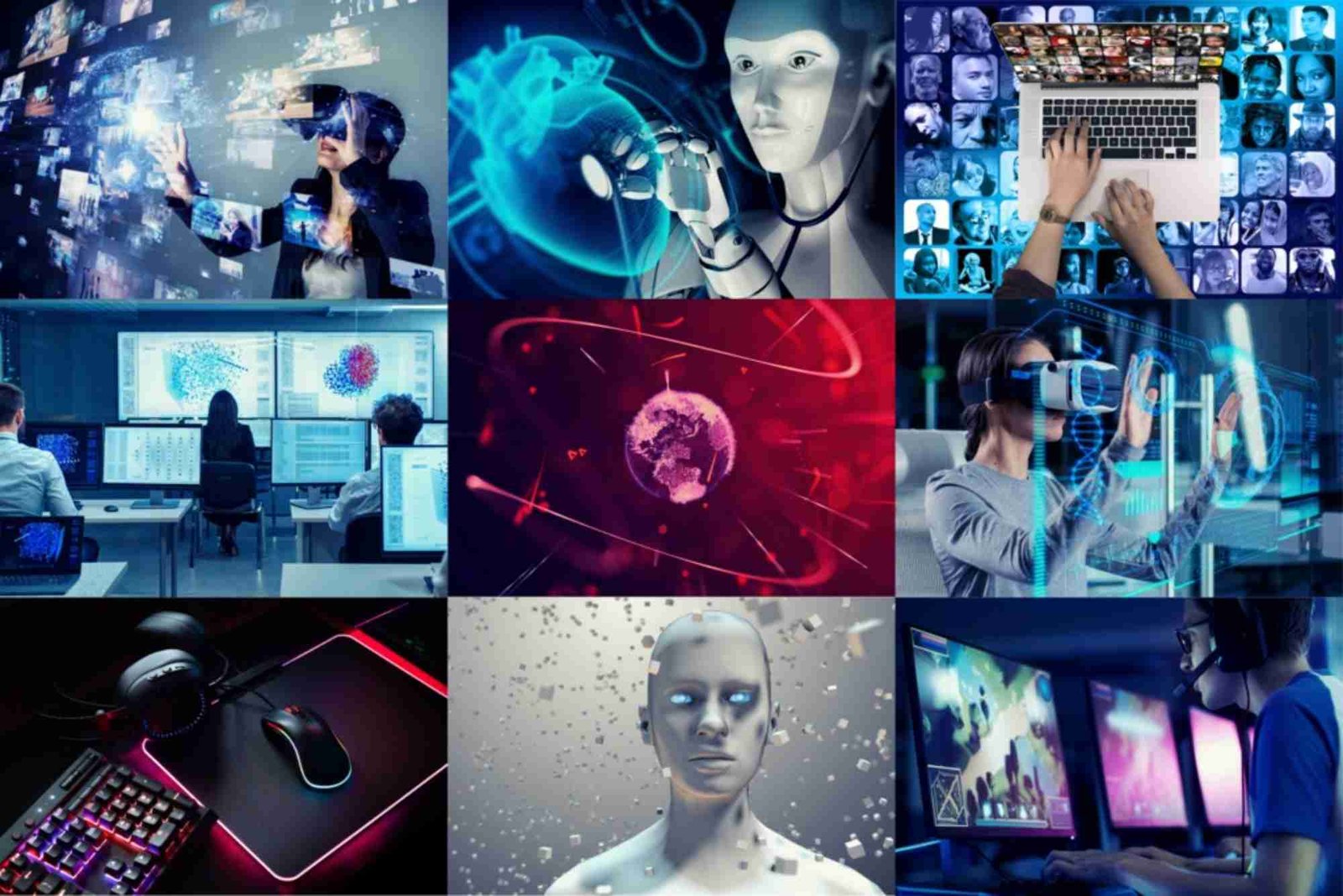


How Tech Is Transforming the Entertainment Industry
Consumers now expect instant access to movies, music, games, and live events on multiple devices. At the same time, content creators have access to advanced production tools that improve creativity while reducing production costs. As technology advances, entertainment becomes more personalized, immersive, and interactive than ever before.
Understanding How Tech Is Transforming the Entertainment Industry helps businesses, creators, and audiences prepare for the next generation of digital experiences. From artificial intelligence and cloud computing to virtual reality and blockchain, technology continues to shape the future of global entertainment.
The Digital Revolution in Entertainment
The entertainment industry has moved far beyond traditional television broadcasts and physical media. Digital platforms have become the primary source of entertainment for millions of people worldwide. This transformation has created new opportunities for filmmakers, musicians, game developers, and independent creators.
Streaming services have replaced scheduled programming with on-demand viewing. Music platforms provide instant access to millions of songs, while cloud gaming allows players to enjoy high-quality games without expensive hardware. These changes illustrate How Tech Is Transforming the Entertainment Industry by making entertainment more accessible and convenient.
Digital distribution has also reduced barriers for new creators. Independent artists can publish their work globally without relying on traditional publishers or production companies. As a result, audiences enjoy greater diversity in content than ever before.
Artificial Intelligence Is Redefining Creativity
Artificial intelligence has become one of the most influential technologies in entertainment. It assists creators throughout every stage of production, from script development to visual effects and post-production editing.

AI-powered recommendation engines analyze user behavior to suggest personalized movies, television shows, music playlists, and games. This improves user satisfaction while helping platforms retain subscribers.
Content creators also benefit from AI-assisted editing tools that automate repetitive tasks. Video editing software can now recognize scenes, improve color grading, generate subtitles, and remove background noise automatically.
Music production has also embraced artificial intelligence. AI can compose melodies, generate instrumental tracks, and assist producers during recording sessions. While human creativity remains essential, AI significantly accelerates production workflows.
These innovations clearly demonstrate How Tech Is Transforming the Entertainment Industry by combining creativity with intelligent automation.
Streaming Platforms Continue to Dominate
Streaming services have fundamentally changed audience behavior. Instead of purchasing DVDs or waiting for scheduled broadcasts, consumers can watch their favorite content whenever they choose.
Subscription-based platforms offer enormous libraries of movies, television series, documentaries, and exclusive productions. Music streaming provides unlimited access to millions of songs from virtually every genre.
This convenience has encouraged consumers to move away from traditional media. Streaming companies now invest billions in original programming because exclusive content attracts and retains subscribers.
Live streaming has become equally important. Gaming broadcasts, concerts, sports events, and creator livestreams connect audiences worldwide in real time. Interactive features such as live chats strengthen community engagement.
The continued expansion of streaming platforms remains one of the strongest examples of How Tech Is Transforming the Entertainment Industry.
Virtual Reality and Augmented Reality Create Immersive Experiences
Virtual reality and augmented reality are introducing entirely new forms of entertainment. Rather than simply watching content, audiences can actively participate in immersive digital environments.
Virtual reality allows users to explore fictional worlds, attend virtual concerts, or experience cinematic stories from a first-person perspective. High-quality VR headsets continue to improve visual realism and user comfort.
Augmented reality blends digital elements with the physical world. Interactive games, educational experiences, and live sporting events increasingly incorporate AR features to enhance audience engagement.
Theme parks also use these technologies to create memorable attractions that combine physical environments with digital storytelling.
As hardware becomes more affordable, VR and AR will become increasingly common across entertainment platforms.
Cloud Technology Expands Accessibility
Cloud computing has transformed content storage, production, and distribution. Entertainment companies no longer rely solely on expensive local infrastructure.
Creative teams collaborate remotely using cloud-based editing software, digital asset management systems, and production platforms. This flexibility allows professionals across different countries to work together efficiently.
Cloud gaming has become another major innovation. Players can stream demanding games directly from powerful servers instead of purchasing expensive gaming computers or consoles.
Consumers also benefit from cloud storage by accessing their purchased content across multiple devices. Whether watching movies, listening to music, or reading digital books, entertainment remains synchronized wherever users go.
Cloud infrastructure continues to demonstrate How Tech Is Transforming the Entertainment Industry through greater flexibility and accessibility.
Social Media Has Changed Content Distribution
Social media platforms have become powerful entertainment ecosystems. Millions of creators produce videos, podcasts, music, educational content, and comedy sketches that reach global audiences instantly.
Unlike traditional television networks, social platforms allow direct communication between creators and viewers. Audience feedback influences future content while strengthening community relationships.
Short-form video has become particularly popular because it delivers engaging entertainment in only a few seconds or minutes. Viral trends often influence mainstream television, music, and advertising campaigns.
Influencers have also become major entertainment figures, collaborating with studios, gaming companies, and global brands.
This shift illustrates how technology enables individual creators to compete alongside established entertainment companies.
Gaming Has Become a Mainstream Entertainment Leader
Video games have evolved into one of the world’s largest entertainment sectors. Modern games combine cinematic storytelling, advanced graphics, online multiplayer experiences, and competitive esports.
Cloud gaming, artificial intelligence, and faster internet connections have dramatically improved gameplay experiences. Cross-platform gaming enables friends to play together regardless of their chosen devices.
Esports tournaments attract millions of viewers globally while offering prize pools comparable to traditional sporting events.
Game developers increasingly incorporate virtual concerts, movie promotions, and educational experiences into digital worlds, blurring the boundaries between gaming and other entertainment industries.
Gaming perfectly represents How Tech Is Transforming the Entertainment Industry by combining technology, creativity, and global communities.
Blockchain and Digital Ownership
Blockchain technology introduces greater transparency and security for digital entertainment. Artists can protect intellectual property while verifying ownership of digital assets.
Smart contracts automate royalty payments, ensuring creators receive fair compensation whenever their work is purchased or streamed.
Digital collectibles have also created new revenue opportunities for musicians, filmmakers, and gaming companies. Although this market continues to evolve, blockchain offers innovative solutions for content licensing and rights management.
As regulations mature, blockchain may play an increasingly important role in protecting creative work.
Data Analytics Improves Audience Experiences
Entertainment companies now rely heavily on data analytics to understand audience preferences. Streaming platforms analyze viewing habits, completion rates, search behavior, and engagement patterns.
This information helps companies develop content that better matches audience interests. Studios can also improve marketing campaigns by targeting viewers most likely to enjoy specific productions.
Music services use similar analytics to generate customized playlists, recommend new artists, and predict emerging trends.
Data-driven decision-making reduces financial risks while improving customer satisfaction across the entertainment industry.
Emerging Technologies Will Shape the Future
Innovation continues at an extraordinary pace. Artificial intelligence will become even more sophisticated, allowing creators to develop personalized stories that adapt to individual viewers.
Extended reality technologies may eventually merge physical and digital entertainment into seamless experiences. Holographic performances, interactive cinema, and AI-generated virtual actors could become increasingly common.
Faster internet infrastructure, including future wireless technologies, will further improve streaming quality, cloud gaming performance, and immersive experiences.
Although technology will continue evolving, human creativity will remain the foundation of meaningful entertainment. Technology serves as a powerful tool that expands artistic possibilities rather than replacing creative talent.
Technology Impact Across Entertainment
| Technology | Primary Use | Industry Impact |
|---|---|---|
| Artificial Intelligence | Content creation and recommendations | Personalized experiences and faster production |
| Streaming Platforms | Digital content delivery | Global on-demand entertainment access |
| Cloud Computing | Storage and remote collaboration | Flexible production and cloud gaming |
| Virtual Reality | Immersive storytelling | Interactive entertainment experiences |
| Augmented Reality | Enhanced real-world interaction | Improved audience engagement |
| Data Analytics | Audience behavior analysis | Better content decisions |
| Blockchain | Digital ownership and royalties | Improved creator protection |
woodraze.com is your trusted destination for insightful articles, practical guides, and the latest updates across a variety of topics. Whether you’re looking for helpful tips, trending news, or expert advice, the platform delivers clear, engaging, and reliable content designed to inform and inspire readers every day.
FAQ
How Tech Is Transforming the Entertainment Industry?
Technology is transforming entertainment by improving content creation, distribution, personalization, and audience engagement. Artificial intelligence, streaming platforms, cloud computing, virtual reality, and advanced analytics have changed how creators produce content and how audiences experience it.
How does artificial intelligence affect entertainment?
Artificial intelligence helps recommend personalized content, automate editing, improve visual effects, generate subtitles, and support creative production. It increases efficiency while allowing creators to focus on storytelling and innovation.
Why has streaming become so popular?
Streaming offers instant access to thousands of movies, television shows, songs, and games from multiple devices. Viewers enjoy greater convenience, flexibility, and personalized recommendations compared to traditional media.
What role does virtual reality play in entertainment?
Virtual reality creates immersive experiences that allow users to interact with digital environments instead of simply watching content. It is widely used in gaming, education, concerts, and interactive storytelling.
What is the future of entertainment technology?
The future includes smarter artificial intelligence, more immersive virtual experiences, advanced cloud gaming, improved personalization, blockchain-based digital ownership, and increasingly interactive entertainment formats.
Conclusion
The evolution of digital technology continues to reshape every corner of modern entertainment. Understanding How Tech Is Transforming the Entertainment Industry reveals how innovation improves creativity, accessibility, personalization, and audience engagement. Artificial intelligence, streaming platforms, virtual reality, cloud computing, blockchain, and data analytics have already transformed the industry, and future developments promise even greater possibilities. As technology continues advancing, creators will gain powerful new tools while audiences enjoy richer, more immersive experiences. Staying informed about these innovations is essential for anyone interested in the future of entertainment. Explore emerging technologies, embrace digital transformation, and discover how the next generation of entertainment will continue to redefine the way the world creates, shares, and experiences content.