
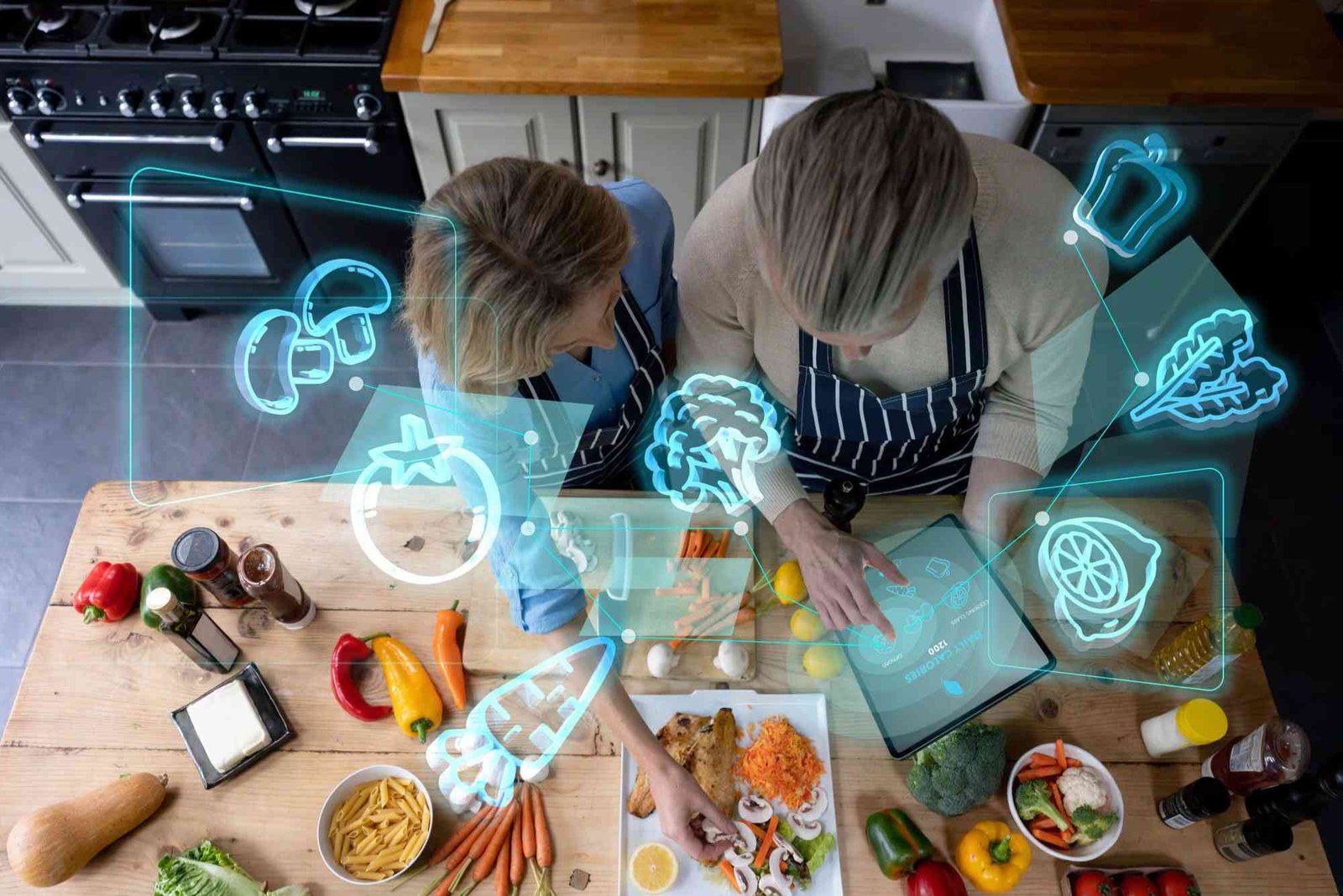
How Food Innovations Are Shaping the Future
The way we produce, consume, and think about food is changing rapidly. With global populations rising and environmental challenges growing, innovation in the food industry has become essential. Understanding how food innovations are shaping the future offers insight into healthier diets, sustainable agriculture, and revolutionary food technologies.
The Rise of Sustainable Food Practices
Vertical Farming and Urban Agriculture
Vertical farming allows crops to grow in stacked layers, often in controlled indoor environments. This method reduces water usage by up to 70% and minimizes land requirements. Cities are now turning rooftops and warehouses into thriving farms, bringing fresh produce closer to consumers. Urban agriculture also reduces the carbon footprint associated with transportation.
Precision Agriculture
Precision agriculture uses sensors, drones, and AI to monitor soil conditions, plant health, and water levels. Farmers can optimize resources and increase crop yields without harming the environment. This data-driven approach is transforming traditional farming into a high-efficiency, eco-friendly system.
Plant-Based and Alternative Proteins
Plant-based meats, algae, and insect proteins are gaining popularity as alternatives to traditional meat. These options produce fewer greenhouse gases and require less water. Brands like Beyond Meat and Impossible Foods are proving that sustainable protein can be both tasty and widely accepted.
Technological Advancements in Food Production
Lab-Grown Meat
Lab-grown or cultured meat is produced from animal cells without raising livestock. This technology promises to reduce deforestation, methane emissions, and animal suffering. Although still costly, advancements are making cultured meat more affordable and accessible.
3D Food Printing
3D printing in food allows chefs and scientists to create customized meals with precision. This technology can optimize nutrient content, reduce food waste, and even cater to people with dietary restrictions. Hospitals and space programs are exploring 3D-printed meals for their efficiency and versatility.
AI and Robotics in Food Preparation
Artificial intelligence and robotics are revolutionizing kitchens worldwide. AI-powered machines can predict customer preferences, optimize ingredient usage, and even automate cooking. This not only reduces labor costs but also ensures consistency and quality in meals.
Innovations in Food Safety and Storage
Smart Packaging
Smart packaging monitors freshness, temperature, and spoilage. Sensors and QR codes allow consumers to track expiration dates and storage conditions, reducing food waste significantly. This innovation is critical as global food demand rises.
Cold Chain Logistics
Advanced cold storage technologies preserve perishable foods for longer periods. From drones delivering groceries to refrigerated trucks with real-time tracking, cold chain innovations are helping to maintain food quality across longer distances.
Edible Coatings and Preservatives
New edible coatings and natural preservatives extend shelf life while minimizing chemical additives. These innovations maintain flavor and nutrition, promoting healthier and safer food options.
Health-Focused Food Innovations
Functional Foods
Functional foods contain added nutrients or probiotics that support health beyond basic nutrition. For instance, fortified cereals, beverages with added fiber, and gut-friendly yogurts are increasingly popular. These foods target specific health issues like immunity, digestion, and heart health.
Personalized Nutrition
With the help of AI and genetic testing, personalized nutrition is becoming a reality. Diet plans based on an individual’s DNA, gut microbiome, and lifestyle preferences can optimize health outcomes. This trend is transforming the food industry into a more tailored and science-driven sector.
Clean Label Movement
Consumers are demanding transparency in ingredients. Clean label products, free from artificial additives and preservatives, are reshaping the market. Companies focusing on natural and organic ingredients are gaining consumer trust and loyalty.
Environmental Impacts of Food Innovation
Reducing Carbon Footprints
Food innovations aim to reduce emissions from farm to table. Sustainable farming, plant-based diets, and lab-grown meat collectively contribute to a lower carbon footprint. This effort is crucial in combating climate change and protecting ecosystems.
Minimizing Food Waste
Innovative storage, AI inventory management, and alternative food uses, such as transforming surplus produce into snacks, are helping tackle food waste. According to the UN, one-third of all food is wasted, making these innovations vital for global food security.
Water and Resource Efficiency
Innovations in irrigation, hydroponics, and aquaponics conserve water while maximizing yield. Efficient resource management ensures that agriculture remains sustainable in water-scarce regions.
Economic and Social Implications
Job Creation in Food Tech
Emerging food technologies create new roles in research, production, and distribution. Careers in AI-driven kitchens, lab-grown meat facilities, and sustainable farming are expanding opportunities for skilled workers.
Global Food Accessibility
Innovations reduce costs and improve food distribution. Urban farms, fortified foods, and alternative proteins can make nutritious options accessible to underserved populations.
Cultural and Culinary Evolution
Food innovations are changing how people cook, eat, and socialize. Traditional recipes are being adapted with new ingredients and techniques, blending cultures while embracing sustainability.
Guest Posting and SEO in Food Innovation Awareness
Content marketing strategies like guest posting boosts SEO while sharing insights about food innovation. By collaborating with reputable platforms, companies can educate audiences on sustainable practices, health-focused meals, and technological advancements. Integrating SEO services ensures this content reaches the right audience efficiently, fostering awareness and adoption of future-ready food solutions.
Food innovation is no longer a niche concept; it is a necessity for sustainability, health, and efficiency. From lab-grown meat and 3D-printed meals to AI-driven nutrition, these advancements are reshaping the global food landscape. By embracing these changes, we can ensure a future where food is nutritious, accessible, and environmentally friendly.
Take the first step today by exploring sustainable food options and learning how innovations can impact your lifestyle. Share this knowledge and join the movement toward a healthier, smarter, and more sustainable food future.
woodraze.com is a modern and creative website that offers useful information and engaging content for visitors. It is designed with a user-friendly layout, making it easy to explore different topics. The platform focuses on quality, clarity, and a smooth browsing experience for users looking for reliable online resources.
FAQ
What are the main examples of food innovations today?
Key examples include lab-grown meat, plant-based proteins, 3D-printed meals, vertical farming, and AI-driven nutrition solutions.
How do food innovations impact the environment?
They reduce carbon emissions, conserve water, and minimize food waste through sustainable practices and technology-driven solutions.
Can food innovations improve personal health?
Yes, innovations like functional foods, personalized nutrition, and clean label products promote targeted health benefits and better diet management.
Are lab-grown meats safe to eat?
Lab-grown meats undergo rigorous testing for safety and nutrition. Regulatory approvals ensure they meet health standards before reaching consumers.
How is technology changing the way we eat?
AI, robotics, and 3D printing are customizing meals, optimizing production, and creating new culinary experiences while reducing waste.
Will food innovations make food more expensive?
Initially, some technologies may cost more, but as adoption grows, economies of scale and efficiency improvements often lower overall costs.
How can businesses benefit from food innovation trends?
Businesses can innovate their product lines, reduce operational costs, improve sustainability, and leverage marketing strategies like guest posting boosts SEO to educate audiences.