
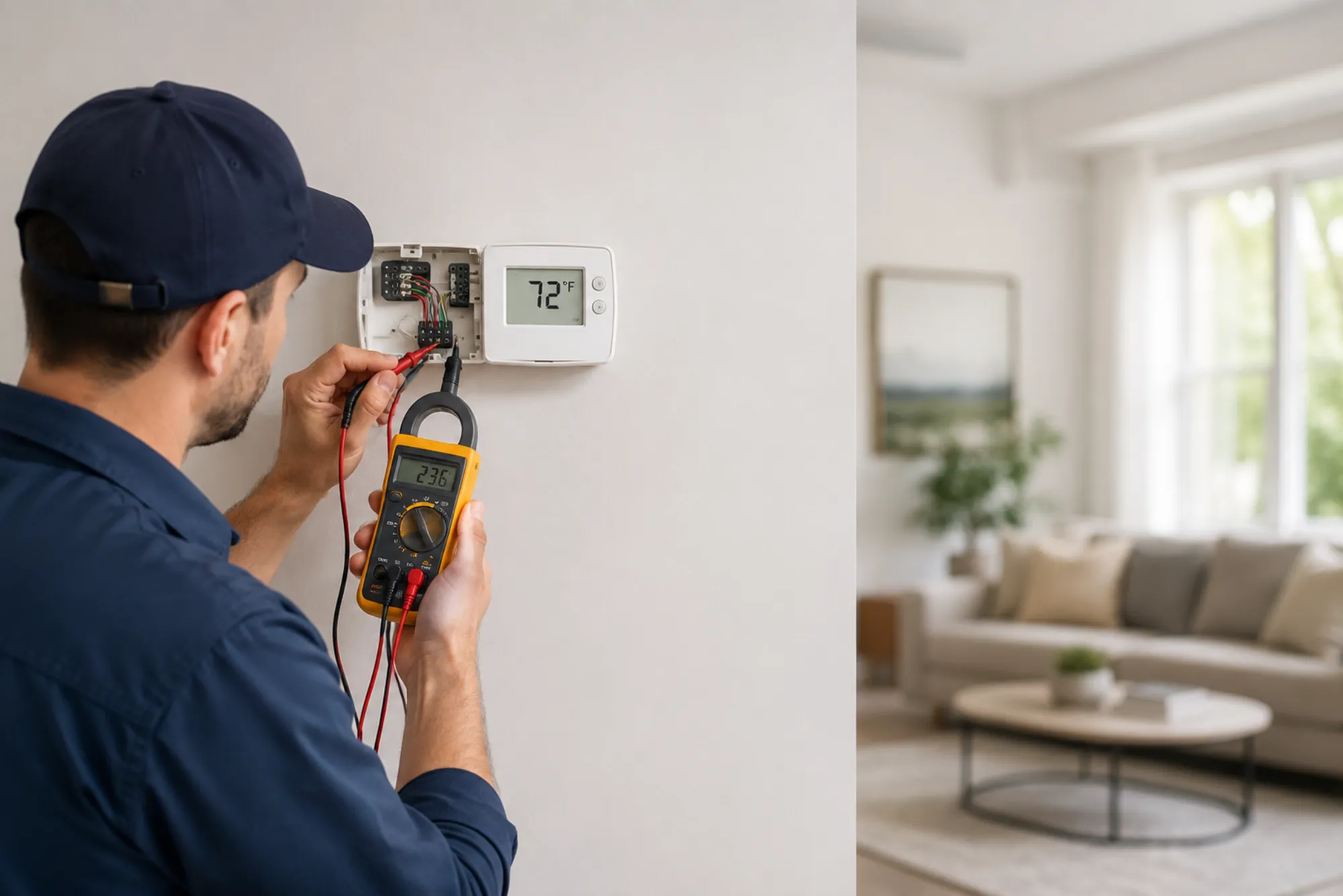
Indoor comfort depends heavily on how accurately an air conditioning system responds to temperature changes. Even a high-performance AC unit can struggle to cool properly when the thermostat is poorly calibrated. Incorrect readings often lead to uneven cooling, excessive energy consumption, short cycling, and unnecessary strain on HVAC components.
AC thermostat calibration ensures the displayed room temperature matches the actual indoor temperature. When calibration is accurate, the cooling system operates more efficiently, maintains consistent comfort, and reduces wear on important components. Homeowners who notice fluctuating temperatures or rising electricity bills often discover that the thermostat is part of the problem.
Many cooling issues that seem mechanical actually begin with temperature control inaccuracies. In some cases, a professional inspection from experienced technicians offering reliable air conditioning technicians services can quickly identify calibration problems before they escalate into larger system failures.
What Is AC Thermostat Calibration?
AC thermostat calibration is the process of adjusting the thermostat so it accurately detects and displays the room temperature. Over time, sensors may drift from their original settings due to age, dust buildup, electrical fluctuations, or improper installation.
A properly calibrated thermostat communicates accurately with the air conditioning system. This allows the compressor and fan to operate at the correct intervals rather than cooling too aggressively or shutting off too early.
In practical terms, calibration helps the thermostat maintain the temperature you actually selected. Without calibration, a thermostat set to 22°C may cool the room to 19°C or fail to cool below 26°C.
Signs Your Thermostat May Need Calibration
Thermostat problems often develop gradually, making them difficult to identify immediately. Several warning signs usually indicate calibration issues.
- Rooms feel warmer or colder than the thermostat reading
- The AC turns on and off too frequently
- Cooling cycles last longer than usual
- Unexpected increases in electricity bills
- Hot and cold spots throughout the home
- The system struggles to maintain the selected temperature
- The thermostat display behaves inconsistently
These symptoms can also overlap with electrical or mechanical faults. In some situations, homeowners dealing with recurring cooling interruptions may require specialized AC electrical fault repair services in UAE to resolve deeper system communication issues.
How Thermostat Calibration Affects Energy Efficiency
Even a small temperature misreading can significantly impact cooling efficiency. A thermostat that reads only two degrees higher than the actual room temperature may force the AC to run much longer than necessary.
This increases:
- Electricity usage
- Compressor workload
- Fan motor wear
- Monthly utility expenses
- System maintenance frequency
Accurate calibration helps optimize cooling cycles, reducing unnecessary runtime while maintaining stable indoor comfort. Modern energy-efficient systems rely heavily on precise thermostat communication to achieve peak performance.
According to HVAC efficiency guidelines from industry organizations, proper thermostat settings can improve cooling efficiency and reduce unnecessary energy waste. [Insert relevant reference link here]
Common Causes of Thermostat Calibration Problems
Several environmental and technical factors can interfere with thermostat accuracy. Identifying the root cause helps determine whether recalibration, repair, or replacement is necessary.
Poor Thermostat Placement
Location plays a major role in temperature accuracy. Thermostats installed near windows, kitchens, direct sunlight, or heat-producing appliances may produce misleading readings.
For example, a thermostat exposed to afternoon sunlight may falsely detect higher temperatures and overwork the cooling system.
Dust and Dirt Accumulation
Dust inside the thermostat housing can interfere with internal sensors. This issue is especially common in environments with frequent AC operation or ongoing renovation work.
Electrical Problems
Voltage fluctuations, wiring issues, or damaged circuit boards can affect thermostat communication with the AC system. These problems may also cause intermittent shutdowns or erratic cooling behavior.
Old or Aging Thermostats
Older mechanical thermostats gradually lose precision over time. Digital thermostats generally provide better long-term accuracy, but they can still develop sensor problems after years of use.
Manual vs Smart Thermostats
Different thermostat types offer varying levels of calibration accuracy and control.
| Thermostat Type | Calibration Accuracy | Energy Efficiency | Maintenance Needs |
|---|---|---|---|
| Mechanical Thermostat | Moderate | Lower | Frequent adjustments |
| Digital Thermostat | High | Improved efficiency | Occasional calibration |
| Smart Thermostat | Very high | Excellent optimization | Software updates and sensor checks |
Smart thermostats often include self-monitoring features, scheduling automation, and mobile app integration. However, even advanced systems require periodic inspection to maintain reliable readings.
How Professionals Perform AC Thermostat Calibration
Professional calibration involves more than simply adjusting the temperature display. HVAC technicians typically follow a structured diagnostic process to verify thermostat accuracy and overall system communication.
- Measure the actual room temperature using calibrated instruments
- Compare readings with thermostat display values
- Inspect wiring connections and sensor functionality
- Check airflow consistency and AC response times
- Adjust calibration settings if supported by the thermostat
- Test complete cooling cycles for stability
Some older thermostats require manual mechanical adjustment, while modern digital units may include built-in calibration menus.
DIY Thermostat Calibration: What Homeowners Can Safely Check
Basic troubleshooting can help homeowners identify obvious thermostat issues before scheduling professional service.
Verify Temperature Accuracy
Place a reliable room thermometer near the thermostat and compare readings after 15 minutes. Small differences are normal, but larger discrepancies may indicate calibration issues.
Replace Batteries
Weak batteries can affect thermostat responsiveness and display accuracy. Replacing batteries is a simple but often overlooked maintenance step.
Clean the Thermostat
Carefully removing dust around the unit can improve sensor performance. Always turn off power before opening thermostat covers.
Inspect Airflow Around the Unit
Furniture, curtains, or decorative covers may restrict airflow around the thermostat, leading to inaccurate readings.
Although these checks are useful, advanced calibration should generally be left to trained technicians to avoid wiring damage or system misconfiguration.
The Connection Between Thermostat Accuracy and AC Lifespan
Improper thermostat calibration places unnecessary stress on cooling components. Short cycling is one of the most damaging outcomes because the compressor repeatedly starts and stops instead of operating in balanced cycles.
Over time, this may contribute to:
- Compressor overheating
- Fan motor wear
- Reduced refrigerant efficiency
- Higher maintenance frequency
- Premature system replacement
Routine maintenance and calibration checks can help extend the operational lifespan of residential cooling systems.
Homeowners managing multiple appliance maintenance needs often combine HVAC inspections with broader home appliance repair in JVC Dubai services to improve overall household efficiency.
Seasonal Calibration Considerations
Thermostat performance can vary with seasonal temperature shifts. Cooling systems work harder during peak summer months, making accurate calibration especially important.
| Season | Common Thermostat Concerns | Recommended Action |
|---|---|---|
| Summer | Overcooling and long runtime | Check sensor accuracy and airflow |
| Winter | Incorrect heating response | Verify seasonal settings |
| Spring | Dust buildup after inactivity | Clean and inspect thermostat |
| Autumn | Transition setting inconsistencies | Update schedules and calibration |
Preventive maintenance before extreme weather periods helps avoid sudden cooling failures during high-demand seasons.
When Thermostat Replacement Makes More Sense
Calibration is not always the best long-term solution. In some cases, replacing the thermostat offers better reliability and energy savings.
Replacement may be recommended when:
- The thermostat is more than 10 years old
- Sensor readings remain inaccurate after recalibration
- The display malfunctions frequently
- The system lacks programmable features
- Compatibility issues exist with newer AC systems
Modern thermostats offer improved energy management, remote access, humidity monitoring, and adaptive cooling schedules.
For homeowners experiencing recurring cooling inconsistencies, technicians offering AC repair near me Dubai services can assess whether recalibration or full thermostat replacement is the better investment.
Frequently Asked Questions
How often should an AC thermostat be calibrated?
Most thermostats should be inspected every one to two years, especially before peak summer usage. Older systems may require more frequent checks.
Can thermostat calibration reduce electricity bills?
Yes. Accurate calibration prevents unnecessary cooling cycles, which can improve energy efficiency and lower monthly utility costs.
Why does my AC run continuously even after reaching the set temperature?
This may happen because the thermostat is reading room temperatures incorrectly, causing the system to continue cooling unnecessarily.
Are smart thermostats more accurate than manual thermostats?
Smart thermostats generally provide better temperature accuracy, automation features, and energy optimization compared to traditional manual models.
Can thermostat problems damage an air conditioner?
Long-term calibration issues can increase strain on compressors and other components, potentially shortening the lifespan of the AC system.
Conclusion
Accurate AC thermostat calibration plays a major role in maintaining cooling efficiency, indoor comfort, and long-term system reliability. Small temperature inaccuracies may seem harmless initially, but they can gradually increase energy costs, reduce comfort levels, and place avoidable stress on critical HVAC components.
Routine inspection, proper thermostat placement, and timely calibration help air conditioning systems operate more efficiently throughout the year. Whether dealing with inconsistent cooling, rising utility bills, or short cycling issues, addressing thermostat accuracy early can prevent more expensive repairs later.
A well-calibrated thermostat allows the entire cooling system to function as intended, delivering stable temperatures, better airflow management, and improved overall performance for residential and commercial environments alike.
Related Reading: Ornamental Pruning in Cook County, IL
Related Reading: Top Benefits of Using SS Fasteners in High-Pressure Environments — full guide