
How to Launch a New Food Product Successfully
Launching a new food product can be one of the most exciting yet challenging ventures in the culinary and business world. Many entrepreneurs have brilliant recipes and innovative ideas, but the success of a food product depends on much more than taste alone. Understanding your market, creating a strong brand, and executing an effective launch strategy are critical steps. In this guide, we will break down the essential strategies on how to launch a new food product successfully, helping you transform your idea into a profitable reality.
Understanding Your Market and Target Audience
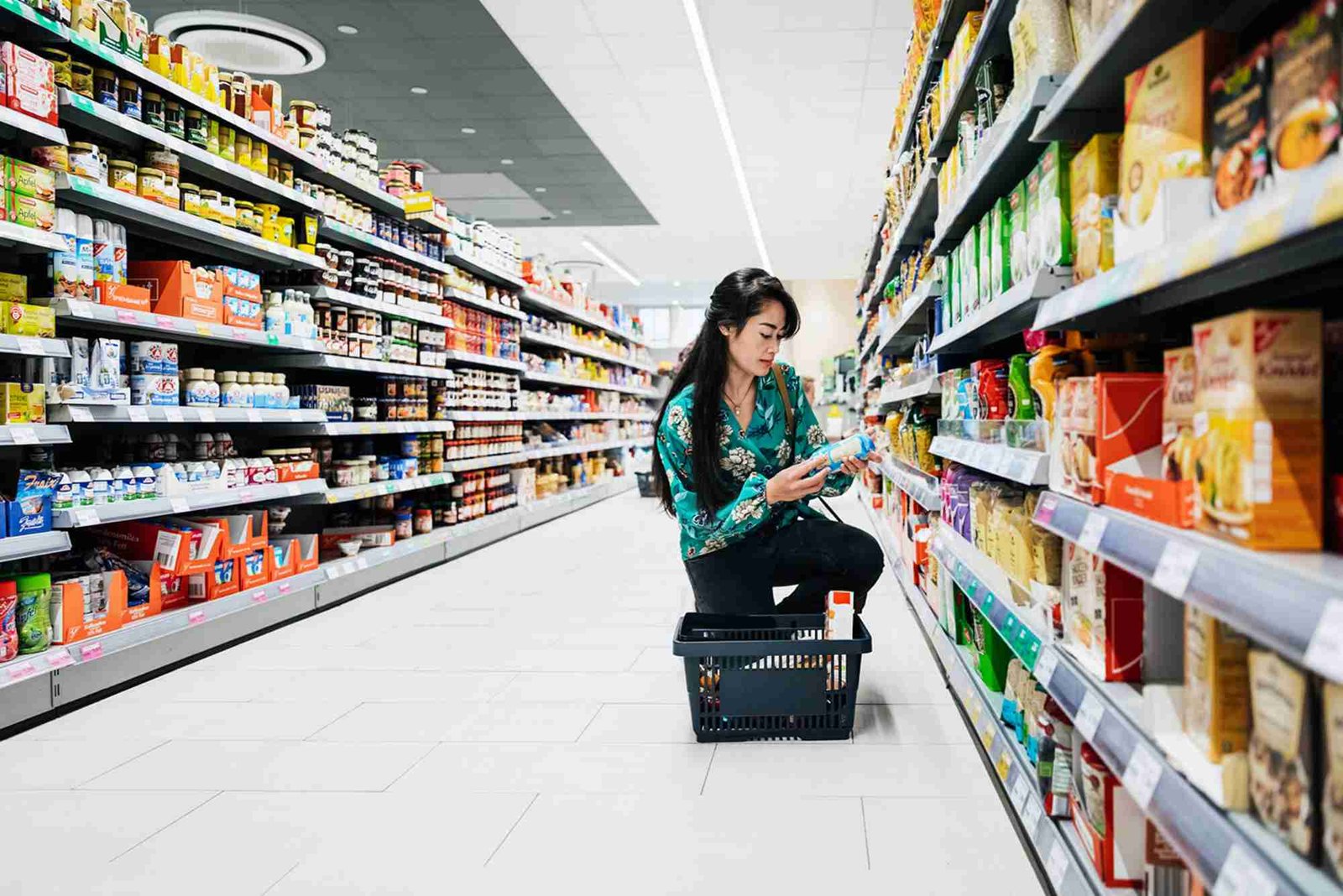
Before even considering production or packaging, it is essential to understand your target market. The food industry is highly competitive, and consumer preferences can shift rapidly. Start by identifying who will buy your product. Are you targeting health-conscious consumers, busy professionals, or families seeking convenient meals?
Knowing your audience helps in product development, pricing, and marketing strategies. Conduct surveys, focus groups, and competitive analysis to gather insights. Examine what similar products are available and identify gaps that your product can fill. Market research ensures that your product will meet real consumer needs rather than assumptions.
Perfecting Your Product
Creating a great product goes beyond having a delicious recipe. You need to ensure that it can be produced consistently at scale while maintaining quality. Test different formulations and packaging options to see what resonates with your target audience.
Consider shelf life, storage conditions, and nutritional information. For packaged goods, visual appeal plays a significant role in attracting buyers. Work with food scientists or experienced chefs if needed to refine taste, texture, and presentation. A product that satisfies both taste and convenience is more likely to succeed.
Branding and Packaging Design
Branding is a crucial element of launching a new food product successfully. Your brand should communicate your product’s story, values, and unique selling points. From the logo to the color palette, every detail must appeal to your target audience.

Packaging is your first impression on the shelf. It should stand out while complying with regulations and providing essential information clearly. Sustainable and innovative packaging can also add value, attracting eco-conscious consumers. Investing in professional design and consistent branding builds credibility and trust in the market.
Pricing Strategy and Distribution Channels
Determining the right price is a balancing act. You must cover production costs while remaining competitive. Consider perceived value, competitor pricing, and target customer expectations. Testing different pricing strategies through soft launches or promotions can provide valuable feedback.
Distribution channels play a vital role in the success of your product. Will you sell online, in retail stores, or through foodservice providers? Each channel requires a tailored strategy. Partnering with reputable distributors or leveraging e-commerce platforms ensures your product reaches your audience efficiently.
Marketing and Promotion
An effective marketing strategy is key to creating awareness and generating demand. Utilize a mix of online and offline marketing tactics to reach your audience. Social media campaigns, influencer partnerships, and email marketing can help introduce your product to potential customers.
Storytelling is a powerful tool. Share your journey, ingredients, and the problem your product solves. People connect with authentic narratives and are more likely to try a product when they feel emotionally engaged. Sampling campaigns, demos, or pop-up events can also create buzz and attract loyal customers.
Leveraging Feedback and Iteration
Launching a product is not the final step; it is the beginning of a continuous improvement process. Collect customer feedback from reviews, surveys, and social media interactions. Understanding how consumers experience your product allows you to refine taste, packaging, or marketing strategies.
Early adopters can become brand advocates if their suggestions are acknowledged and implemented. Iteration based on feedback ensures your product evolves with consumer expectations, increasing long-term success.
Regulatory Compliance and Certifications
Food products are subject to strict regulations regarding safety, labeling, and ingredients. Ensuring compliance from the start prevents costly recalls and legal issues. Consult with food safety experts or regulatory authorities to meet all local and international standards.
Certifications such as organic, gluten-free, or vegan can enhance credibility and attract specific consumer groups. Transparent labeling builds trust, showing that your brand values quality and customer safety.
Scaling and Growth Strategies
Once your product gains traction, consider scaling your operations. Expanding distribution, increasing production capacity, or launching new flavors can boost growth. Strategic partnerships with retailers, distributors, or even restaurants can accelerate brand visibility.
Investing in supply chain optimization ensures consistent product quality and timely delivery. Technology, such as inventory management software, helps maintain efficiency as demand increases. Scaling requires careful planning, but it is essential for sustaining long-term success.
Taking Your Food Product to Market Successfully
Launching a new food product successfully requires more than just an excellent recipe. It demands market research, product development, branding, marketing, regulatory compliance, and ongoing iteration. Each step must be executed strategically to create a product that not only tastes great but also appeals to your target audience and stands out in a competitive market.
If you want your food product to succeed, start with a solid plan, focus on your customers, and continuously refine your approach. Remember, every detail—from packaging to pricing to promotion—plays a role in building a memorable brand.
Take the first step today: finalize your product, research your audience, and craft a launch strategy that will make your product shine. Success is achievable with dedication, creativity, and a clear understanding of the market.
FAQ: How to Launch a New Food Product Successfully
What is the first step to launching a food product?
The first step is understanding your market and target audience. Research consumer preferences and competitors.
How do I make my food product stand out?
Focus on unique flavors, appealing packaging, a strong brand story, and marketing that resonates with your audience.
What marketing strategies work best for new food products?
Social media campaigns, influencer partnerships, sampling events, and storytelling help generate awareness and trust.
How important is pricing for a new food product?
Pricing affects perceived value and competitiveness. Test strategies to find a balance between affordability and profit.
How can I ensure my food product is safe and compliant?
Consult with food safety experts, follow labeling regulations, and consider certifications like organic or gluten-free for credibility.
When should I scale my food product?
Scale after gaining market traction. Ensure supply chain efficiency, consistent quality, and strong brand presence before expansion.
Launching a food product is a journey that combines creativity, strategy, and consumer insight. By following these steps, you can increase the likelihood of a successful launch and build a brand that thrives in the competitive food market.