
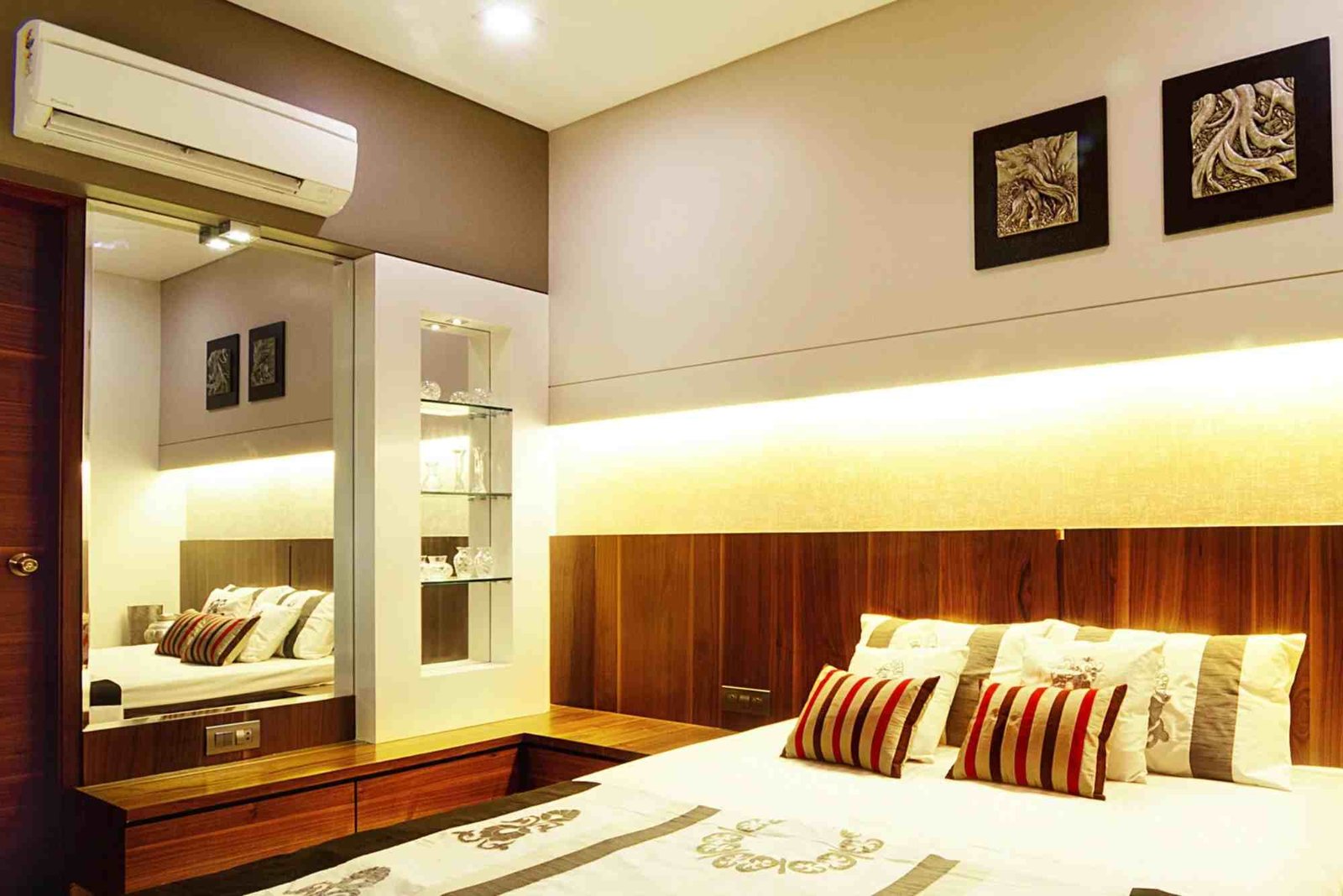
Guide to Buying Energy Efficient AC
In today’s world, staying cool during the hot months is essential, but doing so without skyrocketing electricity bills requires smart choices. A well-chosen energy-efficient AC reduces energy consumption, saves money, and benefits the environment. This guide to buying energy efficient AC will walk you through everything you need to know—from understanding efficiency ratings to choosing the right type for your home.
Understanding Energy Efficiency in Air Conditioners
What Does Energy Efficiency Mean?
Energy efficiency in air conditioners refers to how effectively an AC cools a space while using minimal electricity. The more efficient the AC, the lower your energy bills. Efficiency is often measured using the EER (Energy Efficiency Ratio) and SEER (Seasonal Energy Efficiency Ratio) ratings. A higher rating indicates better performance with less power consumption.
Importance of Energy Efficiency
Choosing an energy-efficient AC can significantly reduce electricity costs. Modern ACs with inverter technology adjust power usage based on cooling needs, avoiding unnecessary energy wastage. Additionally, energy-efficient ACs have less impact on the environment, as they reduce carbon emissions.
Types of Energy-Efficient ACs
- Inverter ACs: Adjust compressor speed for consistent cooling and lower electricity use.
- Split ACs: Offer targeted cooling with efficient energy use, ideal for individual rooms.
- Window ACs: Suitable for small spaces and simple installation, with improved energy ratings in modern models.
Factors to Consider Before Buying an Energy-Efficient AC
Room Size and Cooling Capacity
Choosing the correct tonnage is vital. An oversized AC wastes energy, while an undersized one overworks. Calculate your room area in square feet and refer to the manufacturer’s cooling capacity chart.
Energy Rating Labels
Look for the BEE Star Rating or Energy Star certifications. Higher-star ACs consume less electricity and are eligible for rebates in some regions.
Compressor Technology
Inverter compressors are more efficient than conventional ones. They maintain the desired temperature without frequent on/off cycles, reducing energy consumption and noise.

Air Filters and Maintenance
High-quality air filters not only improve indoor air quality but also enhance efficiency. Clean filters reduce compressor strain, improving longevity and performance.
Smart Features
Modern ACs come with timers, sleep modes, and Wi-Fi connectivity. Smart temperature controls optimize energy use, allowing you to adjust settings remotely.
Top Tips for Buying an Energy-Efficient AC
Check the EER and SEER Ratings
Always compare energy efficiency ratios between models. A higher rating can save hundreds annually on electricity bills.
Prioritize Brands Known for Efficiency
Consider trusted brands and suppliers known for durable and energy-efficient models, such as O General ac company and Midea AC supplier. They often provide better warranty and after-sales support.
Look for Energy Rebates and Offers
Some regions provide government rebates or incentives for purchasing high-efficiency ACs. Check local programs before buying to maximize savings.
Evaluate Long-Term Costs
A low upfront price might seem attractive, but higher energy bills could offset savings. Consider the total cost of ownership, including installation, maintenance, and energy consumption.
Installation Matters
Proper installation ensures the AC runs efficiently. Poorly installed units can lead to leaks, uneven cooling, and higher electricity bills. Always hire certified technicians for setup.
Maintaining Your AC for Peak Efficiency
Regular Cleaning
Clean filters every month and schedule annual maintenance. Dust buildup reduces cooling efficiency and increases energy use.
Monitor Energy Usage
Use smart meters or monitor electricity bills to track AC consumption. Adjust settings during peak hours to save energy.
Optimal Temperature Settings
Set the AC at 24-26°C for cooling efficiency and comfort. Lower temperatures drastically increase energy consumption without significant comfort gains.
Avoid Obstructions
Ensure air vents are clear and not blocked by furniture or curtains. Unrestricted airflow improves efficiency and reduces compressor strain.
Choosing the Right AC Type for Your Needs
Split AC vs. Window AC
Split ACs are more energy-efficient for larger rooms and provide better temperature control. Window ACs work well for smaller spaces and are easy to install.
Portable ACs
Portable ACs are flexible but generally less efficient than split or window units. Midea Ac supplier Consider them for temporary cooling needs.
Ducted Systems
Centralized ducted systems cool multiple rooms efficiently, but installation costs are higher. Energy-efficient models use variable-speed compressors to reduce electricity consumption.
Benefits of Energy-Efficient ACs
Lower Electricity Bills
Energy-efficient ACs reduce monthly energy costs by up to 30% compared to older models.
Environmental Benefits
Lower energy use means reduced greenhouse gas emissions, helping to combat climate change.
Enhanced Comfort
Modern energy-efficient ACs maintain consistent temperatures without frequent on/off cycles, providing better comfort.
Long-Term Durability
Efficient ACs often last longer due to reduced strain on components, offering better reliability over time.
How to Make the Final Decision
- Determine your room size and cooling requirements.
- Compare SEER/EER ratings of different models.
- Choose a trusted brand or supplier.
- Evaluate installation and long-term costs.
- Check for rebates or incentives.
Taking these steps ensures you choose the most energy-efficient AC for your home or office.
FAQ Section
What is the most energy-efficient type of AC?
Inverter ACs are the most energy-efficient, as they adjust compressor speed to maintain consistent cooling.
How do I calculate the AC size for my room?
Measure your room in square feet and refer to the manufacturer’s tonnage chart. Typically, 1 ton cools 120-150 sq. ft.
Are higher star ratings worth it?
Yes, higher star ratings indicate better efficiency, reducing electricity bills and environmental impact.
How often should I clean AC filters?
Clean AC filters every 1-2 months. Regular cleaning maintains efficiency and improves air quality.
Can I save money with smart AC features?
Yes, smart ACs allow remote control, scheduling, and sleep modes, optimizing energy usage and reducing costs.
How long do energy-efficient ACs last?
With proper maintenance, energy-efficient ACs last 10-15 years, sometimes longer with inverter technology.
Where can I find reliable AC suppliers?
Consider established suppliers like O General AC company or Midea AC supplier for trusted models and service support.
Investing in an energy-efficient AC is both economically and environmentally wise. By understanding efficiency ratings, choosing the right type, and maintaining your AC, you save money and stay comfortable year-round. Explore trusted suppliers and compare models carefully to find the perfect fit. Take action today and upgrade to an energy-efficient AC to enjoy savings and enhanced comfort.