
Top Conversion Rate Optimization Tips
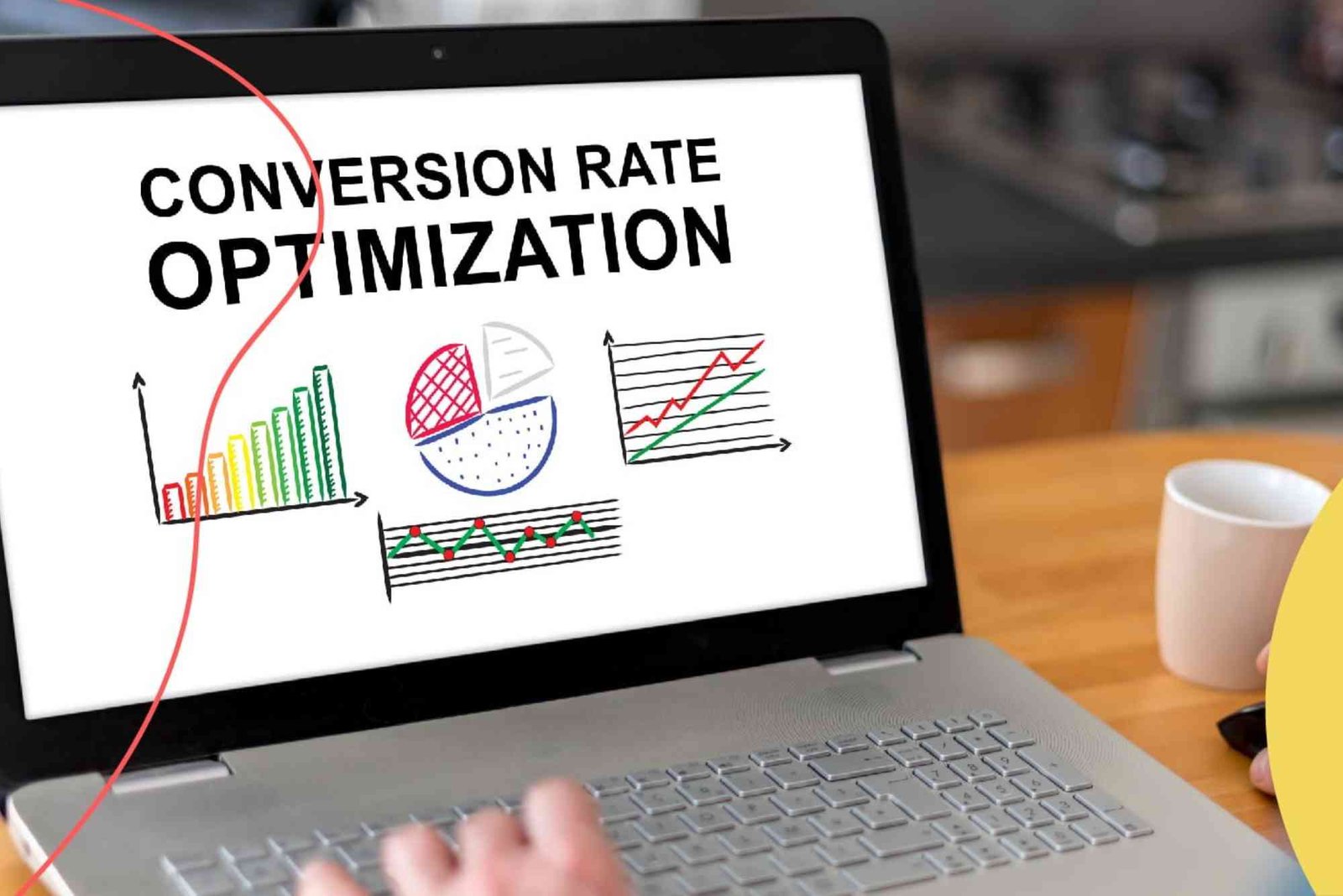
Conversion rate optimization (CRO) is essential for turning website visitors into loyal customers. Many businesses focus on attracting traffic, but without optimizing for conversions, much of that effort goes to waste. Implementing the right strategies ensures your visitors take the desired actions, such as signing up for a newsletter, purchasing a product, or filling out a form. In this article, we explore the top conversion rate optimization tips that can transform your website’s performance and improve your business ROI.
Understand Your Audience
Knowing your audience is the foundation of CRO. You cannot optimize without understanding who your visitors are and what drives their decisions.
Use Data Analytics
Analytics tools like Google Analytics help track visitor behavior, identify high-performing pages, and pinpoint drop-off points. Analyzing metrics such as bounce rate, session duration, and conversion paths reveals opportunities for improvement.
Build Customer Personas
Customer personas are semi-fictional representations of your ideal customers. By defining their goals, challenges, and online behavior, you can tailor your messaging and offers for better conversion.
Gather Feedback
Direct feedback from surveys, live chat, or reviews provides insights into user pain points. These insights can guide layout, content, and call-to-action strategies that resonate with visitors.
Optimize Your Website Design
A well-designed website enhances trust and encourages conversions. Cluttered or confusing layouts often drive visitors away.

Simplify Navigation
Clear, intuitive navigation helps visitors find what they want quickly. Limit menu options, use descriptive labels, and include a search bar for easy access.
Use Responsive Design
With mobile traffic growing rapidly, a responsive design ensures your website works seamlessly on all devices. Mobile-friendly websites not only improve conversions but also support SEO efforts.
Enhance Visual Appeal
High-quality images, consistent fonts, and a balanced color scheme create a professional look. Visual hierarchy guides visitors to key elements like calls to action.
Craft Compelling Calls-to-Action
Your call-to-action (CTA) is the driving force behind conversions. Without a strong CTA, visitors may leave without taking action.
Use Action-Oriented Language
CTAs should be clear and persuasive. Use verbs like “Get,” “Buy,” “Subscribe,” or “Download” to encourage immediate action.
Position CTAs Strategically
Place CTAs where visitors naturally focus, such as above the fold, at the end of articles, or alongside product descriptions. Consider using multiple CTAs in long-form content.
Test Button Colors and Sizes
Small changes can significantly impact conversion rates. Test different colors, sizes, and wording to find what performs best with your audience.
Optimize Page Load Speed
Slow websites frustrate users and reduce conversions. Speed optimization is crucial for both user experience and search engine rankings.
Compress Images
Large images can dramatically slow down your site. Compressing them without sacrificing quality improves load times.
Minimize Scripts
Reduce the number of scripts and plugins to prevent delays in page rendering. Focus on essential functionality only.
Use Content Delivery Networks
CDNs distribute your website across multiple servers worldwide, reducing latency and improving speed for global visitors.
Leverage Social Proof
Social proof builds trust and influences buying decisions. People often follow the actions of others before making their own choices.
Display Testimonials
Customer testimonials highlight satisfaction and reliability. Include real names, photos, and specific results to enhance credibility.
Showcase Reviews and Ratings
Reviews on product pages or third-party platforms show authenticity. Positive ratings can reduce hesitation and encourage conversions.
Highlight Case Studies
Detailed case studies demonstrate real results. They give potential customers tangible evidence of your product or service value.
Test and Iterate
CRO is an ongoing process. Testing different elements allows you to discover what works best and refine your approach.
Conduct A/B Testing
Compare two versions of a page to see which performs better. Test headlines, CTAs, layouts, and offers for measurable improvements.
Use Heatmaps
Heatmaps show where users click, scroll, or hover. This insight identifies areas of interest and parts of your site that may need adjustment.
Track Conversion Funnels
Monitor the path users take from landing pages to conversion. Identify bottlenecks and make targeted changes to reduce drop-offs.
Personalize User Experience
Personalization increases engagement by delivering relevant content and offers to each visitor.
Segment Your Audience
Segment visitors by demographics, behavior, or past purchases. Tailored messaging improves relevance and conversion rates.
Implement Dynamic Content
Show different messages, offers, or product recommendations based on visitor behavior. Personalized experiences create stronger connections.
Use Retargeting Campaigns
Retargeting brings back visitors who didn’t convert initially. Ads and emails reminding them of products or services increase chances of conversion.
Enhance Trust and Security
Visitors are more likely to convert when they feel safe and confident in your website.
Add Security Badges
SSL certificates, secure payment options, and trust badges reassure users. Highlight these visibly on checkout pages and forms.
Include Clear Policies
Transparency in shipping, returns, and privacy policies builds confidence. Make policies easy to access and understand.
Offer Guarantees
Money-back guarantees or satisfaction promises reduce perceived risk and encourage users to complete purchases.
Integrate Analytics and CRO Tools
Using specialized tools simplifies optimization and provides actionable insights.
Google Analytics Goals
Set up goals to track conversions and analyze performance. Goals help identify which pages or campaigns drive the most results.
Heatmap Tools
Tools like Hotjar or Crazy Egg provide visual feedback on user behavior. Combine this with analytics to guide improvements.
CRM and Marketing Automation
Integrate CRM systems to track leads and personalize communications. Automation tools help nurture prospects efficiently.
Linking strategically supports CRO by guiding visitors and enhancing trust. Internal links guide users to related content naturally, while external references establish credibility. For example, including insights from authoritative SEO services improves credibility, and sharing knowledge about guest posting boosts SEO can also guide users toward helpful resources.
Implementing these top conversion rate optimization tips will significantly enhance your website’s performance. From understanding your audience and optimizing design to crafting compelling CTAs and leveraging social proof, each strategy plays a critical role in boosting conversions. Remember, CRO is an ongoing process—test, iterate, and refine your strategies to achieve sustainable results. Start implementing these tips today to turn more visitors into loyal customers and maximize your ROI.
Take action now by reviewing your website’s current performance and applying these CRO techniques to unlock its full potential.
FAQ
What is conversion rate optimization (CRO)?
CRO is the process of improving a website or landing page to increase the percentage of visitors who complete desired actions.
How do I measure conversion rate?
Divide the number of conversions by the total number of visitors, then multiply by 100 to get a percentage.
What are the best tools for CRO?
Popular CRO tools include Google Analytics, Hotjar, Crazy Egg, Optimizely, and various A/B testing platforms.
How can I improve website conversions quickly?
Focus on clear CTAs, fast page loading, persuasive content, and social proof for immediate improvements.
Why is A/B testing important for CRO?
A/B testing identifies which page variations perform better, helping you make data-driven decisions and improve conversions.
Can CRO help with SEO?
Yes, improving user experience, page speed, and engagement through CRO indirectly boosts SEO performance and rankings.
Related Reading: How to Create Eye-Catching Ad Creatives — full guide