

Top Emerging Markets for FMCG Products
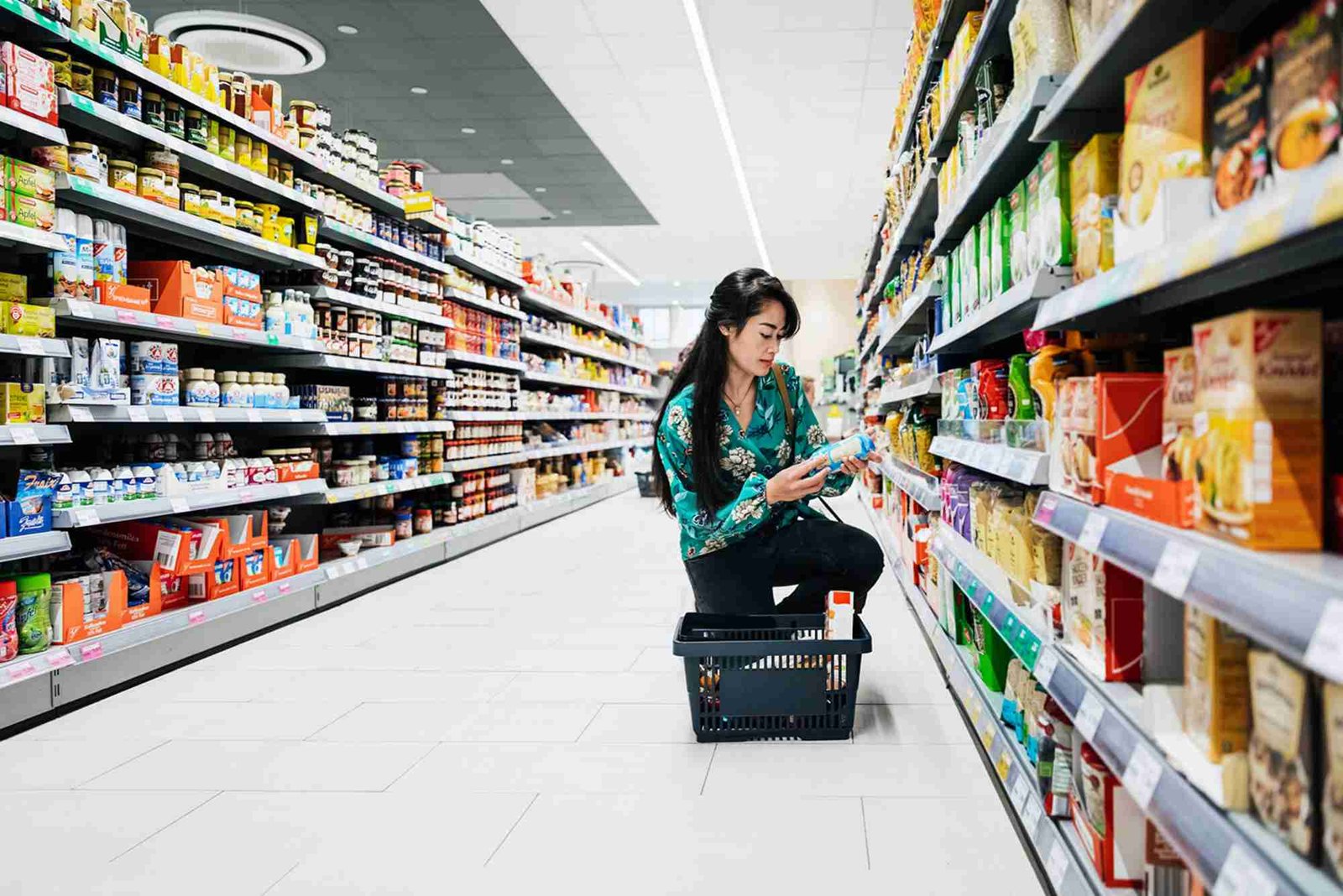
In today’s fast-paced global economy, Fast-Moving Consumer Goods (FMCG) companies are constantly seeking new opportunities for growth. Targeting established markets can be highly competitive, making emerging markets an attractive option. The top emerging markets for FMCG products offer immense potential due to rising incomes, urbanization, and changing consumer habits. Understanding these markets is essential for businesses aiming to expand globally and maintain a competitive edge.
Why Emerging Markets Matter for FMCG Growth
Emerging markets are regions experiencing rapid economic development, urbanization, and increasing consumer demand. These markets often present higher growth rates compared to mature markets. FMCG products—such as packaged foods, personal care items, and household essentials—benefit from expanding middle-class populations and evolving lifestyles.
Rising Disposable Income
As disposable incomes rise, consumers in emerging markets are more willing to spend on convenience products, premium brands, and health-focused items.
Urbanization and Changing Lifestyles
Urban centers are expanding rapidly. This shift drives demand for packaged, ready-to-use, and branded FMCG products over traditional unbranded alternatives.
Digital Penetration and E-Commerce
Digital platforms and mobile internet are transforming consumer behavior, providing FMCG companies with efficient channels for marketing and distribution. Companies leveraging online sales often see faster adoption in these markets.
Key Emerging Markets for FMCG Products
Several regions stand out for their promising FMCG growth. These markets are defined by population size, income growth, and retail infrastructure development.

India: A Booming Consumer Base
India’s population exceeds 1.4 billion, with a fast-growing urban middle class. FMCG consumption is expanding in both metro and tier-2 cities.
Food and Beverage Trends
Indian consumers increasingly prefer ready-to-eat meals, packaged snacks, and functional beverages. Local flavors combined with international brands are particularly appealing.
Personal Care and Beauty
Rising awareness about grooming and skincare is driving demand for premium personal care products, natural ingredients, and international brands.
Digital Retail Expansion
E-commerce platforms and mobile apps are widely adopted. Companies leveraging digital campaigns and online marketplaces can capture a significant audience.
Brazil: Latin America’s FMCG Hotspot
Brazil is the largest FMCG market in Latin America, driven by a youthful population and urban concentration.
Growth in Packaged Goods
Packaged food and beverages are increasingly popular among urban consumers. International brands that adapt to local tastes see higher acceptance.
Health and Wellness Products
Consumers are seeking organic, low-sugar, and natural products, presenting opportunities for innovative FMCG items.
Retail Modernization
Supermarkets and hypermarkets are expanding into secondary cities, offering new distribution channels.
Nigeria: Africa’s Consumer Powerhouse
Nigeria’s large population and growing middle class make it a vital FMCG market in Africa.
Urban Consumer Behavior
Urbanization in cities like Lagos and Abuja increases demand for convenience-oriented products, packaged foods, and household essentials.
Brand Loyalty Opportunities
Consumers are open to trying new brands, especially if they offer value, quality, and convenience.
E-Commerce Growth
Online shopping and mobile payments are increasing, creating direct-to-consumer opportunities for FMCG companies.
Vietnam: Southeast Asia’s Rising Star
Vietnam is witnessing rapid economic growth and a young population eager to adopt modern consumption habits.
Fast Food and Packaged Beverages
The demand for ready-to-eat meals, snacks, and beverages is expanding, particularly among urban youth.
Personal Care Products
Skincare, haircare, and cosmetic products see increasing interest, with global brands performing well.
Digital Influence
Social media and e-commerce platforms are powerful tools for promoting FMCG products.
Egypt: North Africa’s Growing Market
Egypt’s population exceeds 110 million, with urbanization fueling FMCG demand.
Packaged Food Demand
Consumers are shifting from traditional markets to supermarkets, driving packaged food growth.
Hygiene and Personal Care
Rising awareness of hygiene and grooming is creating demand for soaps, shampoos, and other personal care items.
Retail Expansion
Modern retail chains are expanding, creating better visibility for branded FMCG products.
Strategies to Succeed in Emerging FMCG Markets
Entering emerging markets requires careful planning and understanding of local consumer behavior.
Market Research and Localization
Understanding cultural preferences, consumption patterns, and price sensitivity is crucial. Product localization can increase acceptance.
Strategic Partnerships
Collaborating with local distributors, retailers, or digital platforms can accelerate market penetration.
Digital Marketing and E-Commerce
Utilizing digital platforms allows companies to reach urban and semi-urban consumers efficiently. Social media campaigns can enhance brand awareness.
Innovation and Health Focus
Consumers in emerging markets increasingly demand functional, healthy, and eco-friendly products. Companies that innovate see better adoption.
Competitive Pricing
Price-sensitive consumers require a balance between quality and affordability. Offering smaller pack sizes can increase accessibility.
Role of Technology and Data in FMCG Expansion
Emerging markets often leapfrog traditional retail structures, embracing mobile payments, online marketplaces, and data-driven marketing.
Analytics for Consumer Insights
Big data and analytics help companies predict demand, optimize inventory, and understand regional preferences.
Supply Chain Optimization
Technology-driven logistics reduce costs and improve delivery efficiency, critical for success in fast-moving consumer markets.
Enhancing Customer Engagement
Mobile apps, loyalty programs, and personalized offers build brand loyalty and repeat purchases.
Challenges in Emerging FMCG Markets
While opportunities are significant, challenges exist. Understanding these obstacles ensures sustainable growth.
Regulatory Hurdles
Each market has unique regulations for product labeling, safety, and imports. Companies must ensure compliance.
Infrastructure Limitations
Limited cold chain storage, transport, and retail infrastructure can impact distribution, especially in rural areas.
Cultural and Taste Preferences
Products must align with local tastes, customs, and consumption habits to succeed.
Competition from Local Brands
Local brands often have strong recognition and price advantages. Differentiation is critical.
Unlocking Opportunities in Emerging FMCG Markets
The top emerging markets for FMCG products offer immense growth potential. From India and Brazil to Nigeria, Vietnam, and Egypt, these regions are characterized by rising incomes, urbanization, and evolving consumer preferences. FMCG companies that invest in market research, local partnerships, digital channels, and product innovation are best positioned to thrive.
Expanding into these markets not only increases revenue but also strengthens global brand presence. Start exploring these opportunities today to stay ahead of the competition.
For businesses aiming to enhance online visibility while entering new markets, leveraging strategies like guest posting boosts SEO and partnering with professional SEO services can accelerate growth.
FAQ
What are the fastest-growing FMCG markets?
The fastest-growing FMCG markets include India, Brazil, Nigeria, Vietnam, and Egypt due to rising income and urbanization.
Why are emerging markets important for FMCG companies?
Emerging markets offer higher growth potential, expanding middle classes, and increasing digital adoption compared to saturated developed markets.
How can FMCG brands succeed in emerging markets?
Brands can succeed by localizing products, partnering with distributors, leveraging e-commerce, and offering affordable pricing.
What FMCG products are in demand in emerging markets?
Packaged foods, beverages, personal care, hygiene products, and health-focused items are in high demand across emerging regions.
How does digital marketing influence FMCG growth?
Digital marketing enables targeted campaigns, online sales, brand engagement, and direct consumer feedback, especially in urban areas.
Related Reading: How FMCG Brands Are Adapting to Consumer Demands — full guide