

Introduction
Understanding how to use A/B testing to improve ads is essential for anyone running digital campaigns. In today’s competitive environment, guessing what works is no longer effective. Instead, data-driven decisions lead to better results and higher return on investment.
A/B testing allows marketers to compare two versions of an ad to see which performs better. By testing different elements, you can continuously refine your ads and improve conversions. This guide explains how to use A/B testing to improve ads with practical, expert-level insights.
What is A/B Testing in Advertising
Understanding the Core Concept
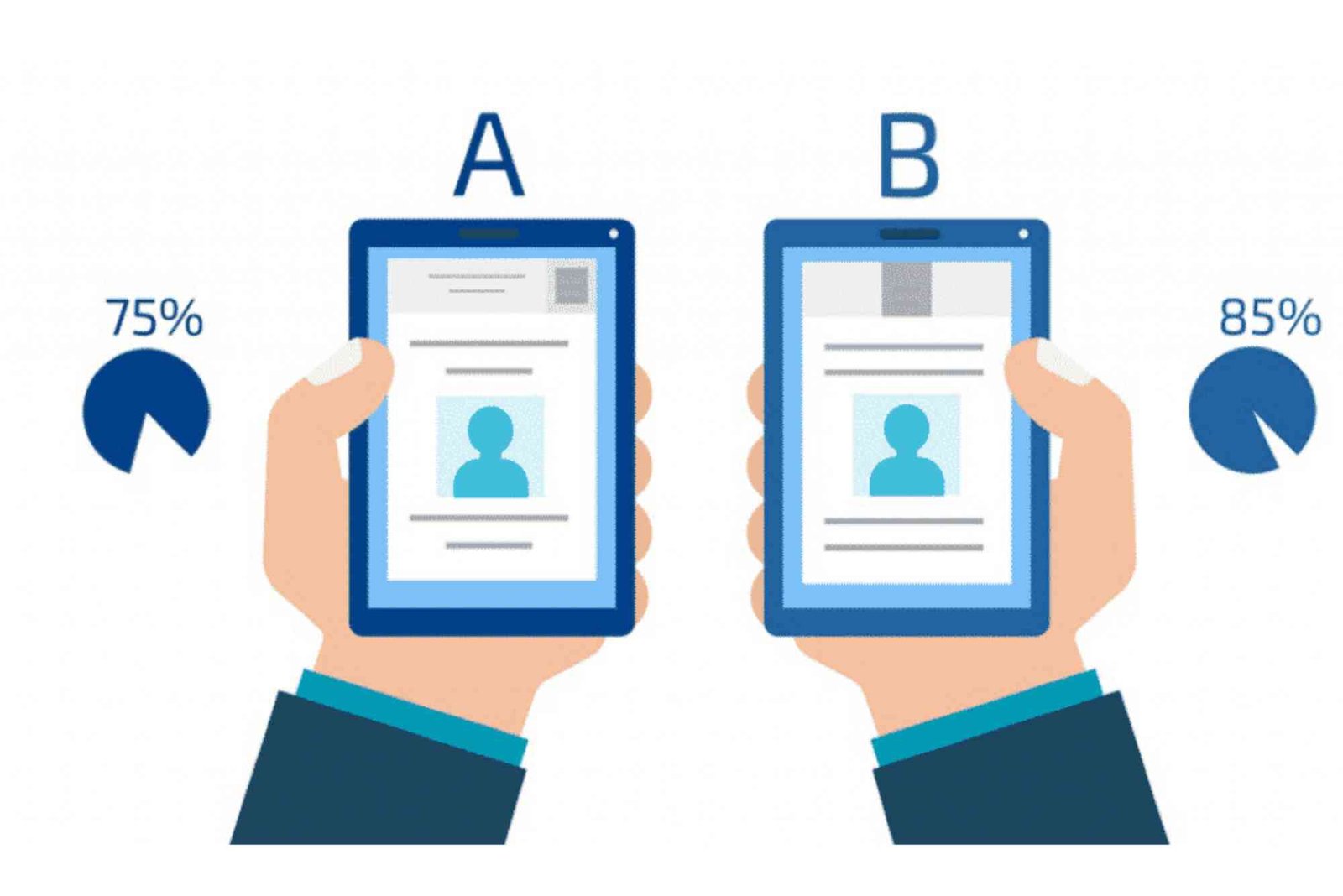
A/B testing, also called split testing, is a method of comparing two versions of an ad. You show version A to one audience and version B to another. Then, you analyze which one performs better based on key metrics.
Why A/B Testing Matters
A/B testing removes guesswork. Instead of assuming what works, you rely on real user behavior. This helps you optimize ad spend and increase performance.
When you learn how to use A/B testing to improve ads, you gain control over your campaigns and reduce wasted budget.
How to Use A/B Testing to Improve Ads Effectively
Define Clear Goals
Before starting, you must define what success looks like. Your goal may include higher click-through rates, more conversions, or lower cost per click.

Without clear goals, your testing results will not be meaningful. Therefore, always start with a specific objective when applying how to use A/B testing to improve ads.
Choose One Variable to Test
Focus on testing one element at a time. This could be the headline, image, call-to-action, or audience targeting.
Testing multiple elements at once creates confusion. You won’t know which change caused the improvement.
This is a critical step in mastering how to use A/B testing to improve ads.
Create Two Variations
Develop two versions of your ad. Keep everything identical except for the variable you are testing.
For example, if testing headlines, change only the headline while keeping the rest the same.
This ensures accurate and reliable results.
Split Your Audience Properly
Divide your audience into two equal groups. Each group should receive only one version of the ad.
Platforms like Google Ads and Facebook Ads can automatically split audiences for you.
Proper audience segmentation is key to learning how to use A/B testing to improve ads successfully.
Key Elements You Should Test
Headlines and Copy
Your headline is the first thing users see. Testing different headlines can significantly impact your performance.
Similarly, ad copy should be tested to identify which message resonates best with your audience.
Images and Visuals
Visual elements play a huge role in ad performance. Try different images, colors, or video styles.
Small visual changes can lead to big differences in engagement.
Call-to-Action (CTA)
Your CTA tells users what to do next. Testing phrases like “Buy Now,” “Learn More,” or “Get Started” can influence conversions.
Strong CTAs are a crucial part of how to use A/B testing to improve ads.
Target Audience
Sometimes the issue is not the ad but the audience. Testing different demographics, interests, or behaviors can improve results.
Audience testing helps refine your targeting strategy.
How to Analyze A/B Testing Results
Focus on Key Metrics
Track metrics such as click-through rate, conversion rate, and cost per conversion.
These indicators show which version performs better.
Wait for Statistical Significance
Do not rush conclusions. Ensure your data is statistically significant before making decisions.
This prevents false conclusions and improves decision accuracy.
Use Reliable Tools
Platforms like Google Ads and Facebook Ads provide built-in analytics.
These tools make it easier to track and compare results when applying how to use A/B testing to improve ads.
Common Mistakes to Avoid
Testing Too Many Variables
Testing multiple elements at once leads to unclear results. Always test one variable at a time.
Ignoring Sample Size
Small sample sizes can produce misleading results. Ensure enough data before drawing conclusions.
Ending Tests Too Early
Patience is important. Running tests for too short a time reduces accuracy.
Not Acting on Data
Data without action is useless. Always implement the winning version and continue testing.
Advanced Strategies for Better Results
Continuous Testing
A/B testing is not a one-time process. It should be ongoing.
Constant optimization helps you stay ahead of competitors.
Multivariate Testing
Once you master A/B testing, you can try multivariate testing. This involves testing multiple variables at once.
It provides deeper insights but requires more data.
Personalization
Personalized ads often perform better. Use A/B testing to identify what appeals to different audience segments.
This improves engagement and conversions.
The Role of A/B Testing in Digital Marketing
A/B testing is essential for improving overall marketing performance. It helps refine strategies, reduce costs, and increase ROI.
Businesses that apply how to use A/B testing to improve ads consistently outperform those that do not.
It also aligns with modern marketing practices like data-driven decision-making and customer-centric strategies.
For more insights into digital strategies, you can explore topics like guest posting boosts SEO and professional SEO services, which further enhance your online visibility.
Tools to Help with A/B Testing
Several tools can simplify the process of A/B testing. Popular options include Google Ads Experiments, Facebook Ads Manager, and other analytics platforms.
These tools automate testing and provide accurate data for analysis.
Using the right tools is essential when learning how to use A/B testing to improve ads effectively.
Real Benefits of A/B Testing Ads
A/B testing provides several advantages. It improves ad performance, increases conversions, and reduces advertising costs.
It also gives you deeper insights into your audience behavior.
Ultimately, understanding how to use A/B testing to improve ads allows you to make smarter marketing decisions.
FAQs About How to Use A/B Testing to Improve Ads
What is A/B testing in advertising?
A/B testing is a method of comparing two versions of an ad to determine which performs better. It helps marketers make data-driven decisions.
How long should I run an A/B test?
The duration depends on your traffic. Generally, you should run tests long enough to gather statistically significant data.
What should I test first in A/B testing?
Start with high-impact elements such as headlines or call-to-action buttons. These often produce noticeable differences.
Can A/B testing improve ROI?
Yes, A/B testing helps optimize ad performance. This leads to better conversions and improved return on investment.
How often should I perform A/B testing?
A/B testing should be continuous. Regular testing ensures your ads remain optimized and competitive.
Mastering how to use A/B testing to improve ads is a powerful way to enhance your marketing performance. By testing systematically, analyzing results, and making data-driven decisions, you can significantly improve your ad campaigns.
The key is consistency. Do not stop after one test. Instead, keep optimizing and learning from each experiment.
If you want to take your advertising strategy to the next level, start applying these A/B testing techniques today. Also, consider working with experts or exploring professional SEO services to maximize your results.